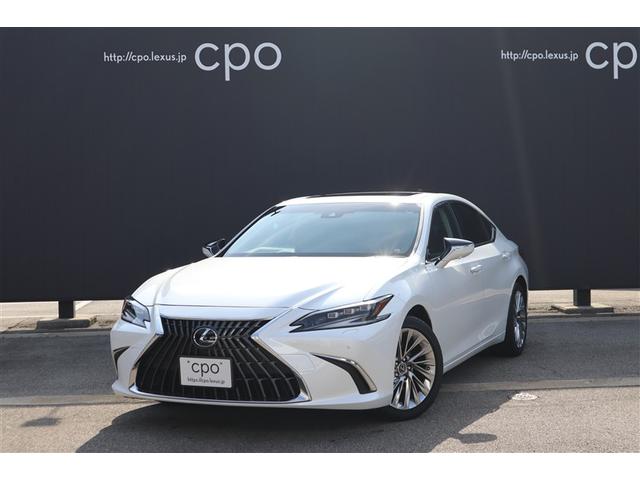
A new era of Lexus design begins here… The all-new ES, bearing the banner “Clean Tech × Elegance,” makes its Japan debut
![by Car Styling [カースタイリング]](https://motor-fan.jp/wp-content/uploads/2025/04/carstyling-jp_logo.png)


Understanding the current state of Lexus electrification through “SENSES — Experience LEXUS with All Five Senses”
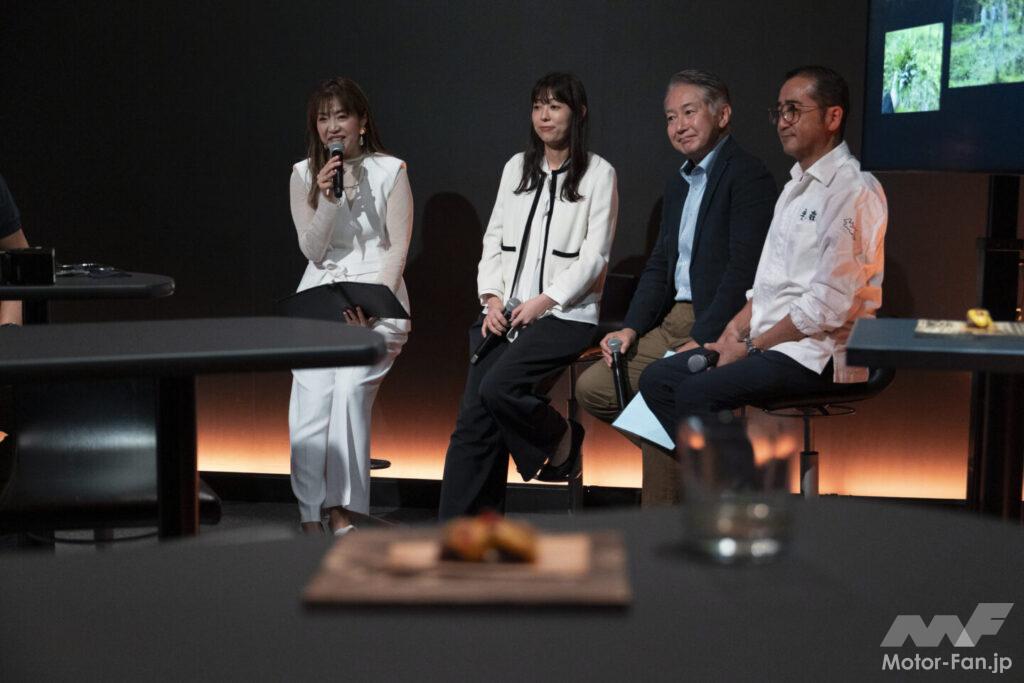
On October 1, Lexus held the media event “SENSES — Experience LEXUS with All Five Senses” in Tokyo. Lexus began operations in the United States in 1989. In Japan, where sales began in 2005, this year marks the 20th anniversary. At the Japan Mobility Show 2025, scheduled for the end of October, the brand says it will present a new way of thinking about Lexus. Ahead of that, this event featured the Japan debuts of the new ES and the new RZ, and, through hands-on content with engineers and designers, showed where Lexus currently stands with its electrification efforts.
At the core of Lexus’s electrification efforts is not merely the spread of battery EVs (BEVs). Rather, it is the idea of using electrification technologies to deepen essential values such as the “joy of driving” and the “dialogue with the car.” The new RZ is equipped with a Steer-by-Wire system, which executes steering through electrical signals, and an “Interactive Manual Drive” that creates the enjoyment of shift operation; these new technologies give concrete form to the philosophy of pursuing intuitive operability that resonates with the driver’s sensibilities.
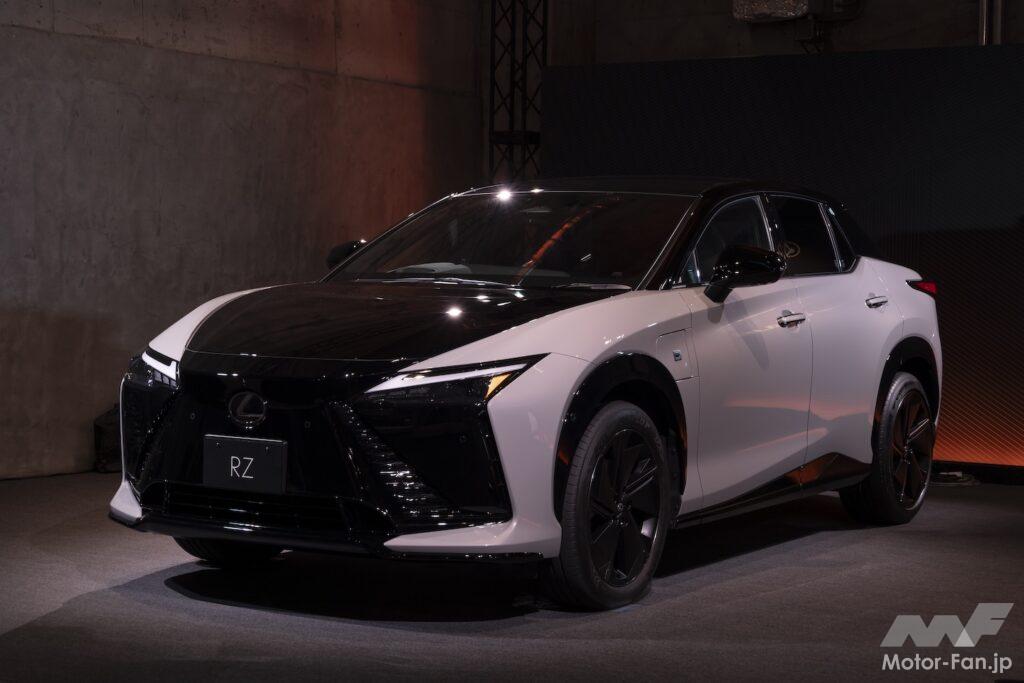
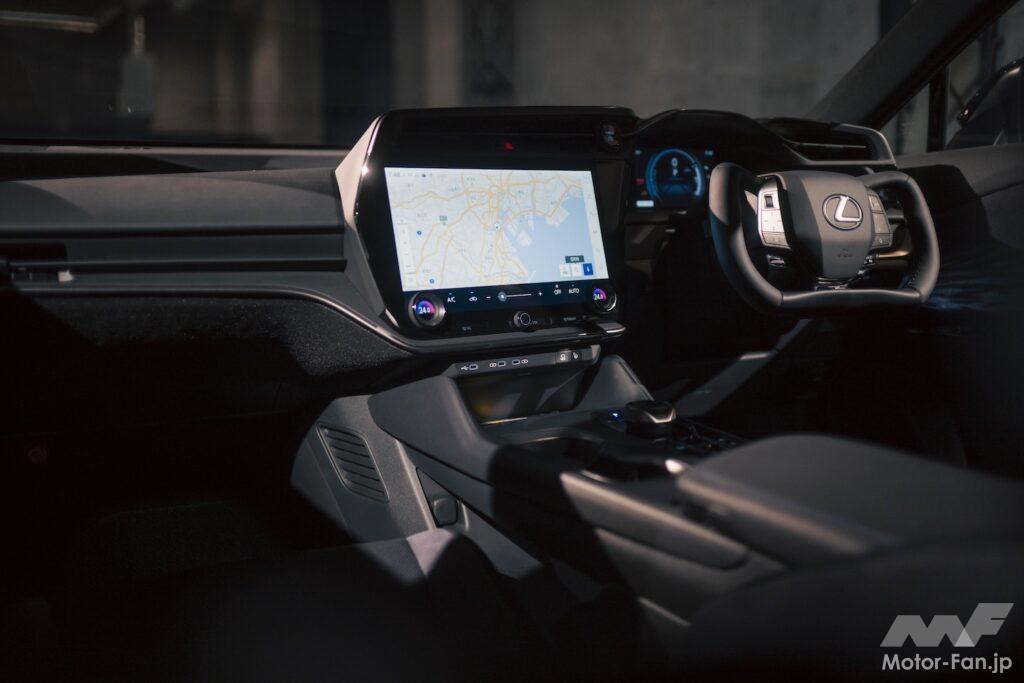
In its development process, rather than relying solely on simulations and deskbound studies, the team placed emphasis on running cars in the real world alongside master drivers — “working up a sweat” — and translating what they sensed with all five senses into performance. This development framework began with the launch of the RZ and has taken root as part of Lexus’s development culture.
Lexus’s electrification strategy does not stop at new-car development. As part of its multi-pathway strategy to contribute to carbon neutrality “with fun and with smiles,” it has also embarked on a conversion business to turn beloved existing cars into BEVs, and is advancing an effort to carry classic icons into the future using the AE86 as a prototype.
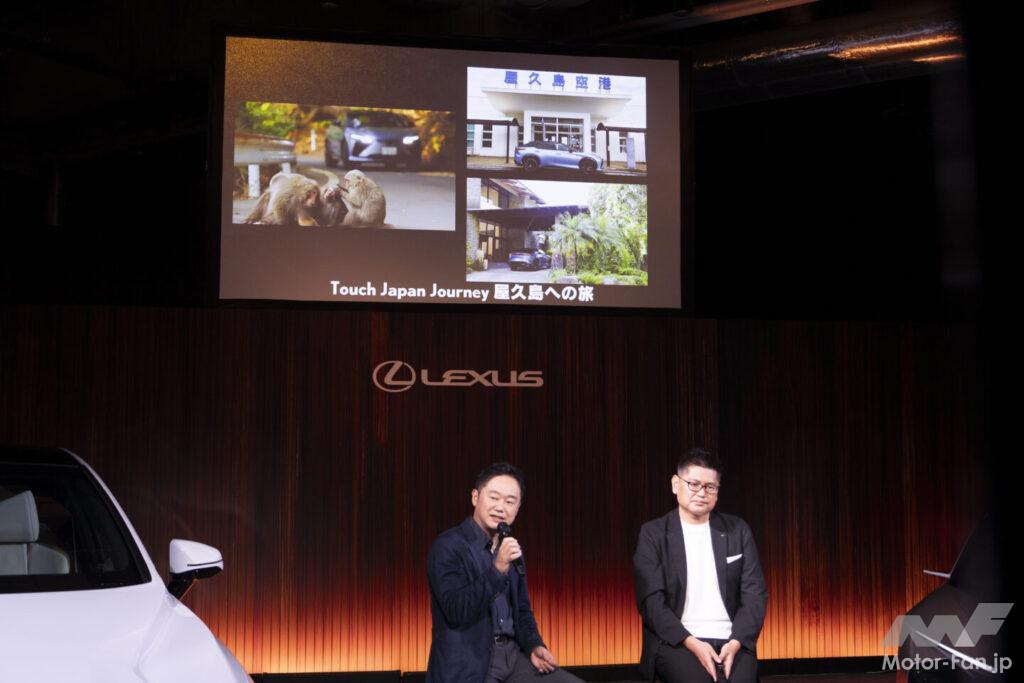
Furthermore, Lexus is focusing on offering lifestyle experiences that go beyond the car itself. “Touch Japan Journey” creates a driving experience that integrates with nature by leveraging the quietness of BEVs, and the “Lexus Electrified Program” not only provides charging infrastructure but also offers special experiences that resonate with the brand’s worldview.
All-new ES: Drawing a new sedan proportion while mounting the battery under the floor
The focal point of the event was the fully redesigned, all-new ES. Developed under a concept built around three “E”s — “Experience, Elegance, Electrified Sedan” — the eighth generation had its world premiere at Auto Shanghai in April 2025 (China), with sales in Japan planned around spring 2026. Three grades will be introduced in Japan. A topic for the hybrid “ES350h,” which adopts a new system, is that in addition to FWD, 4WD is now available. And for the first time in the model’s history, BEV models — the FWD “ES350e” and 4WD “ES500e” — join the lineup.

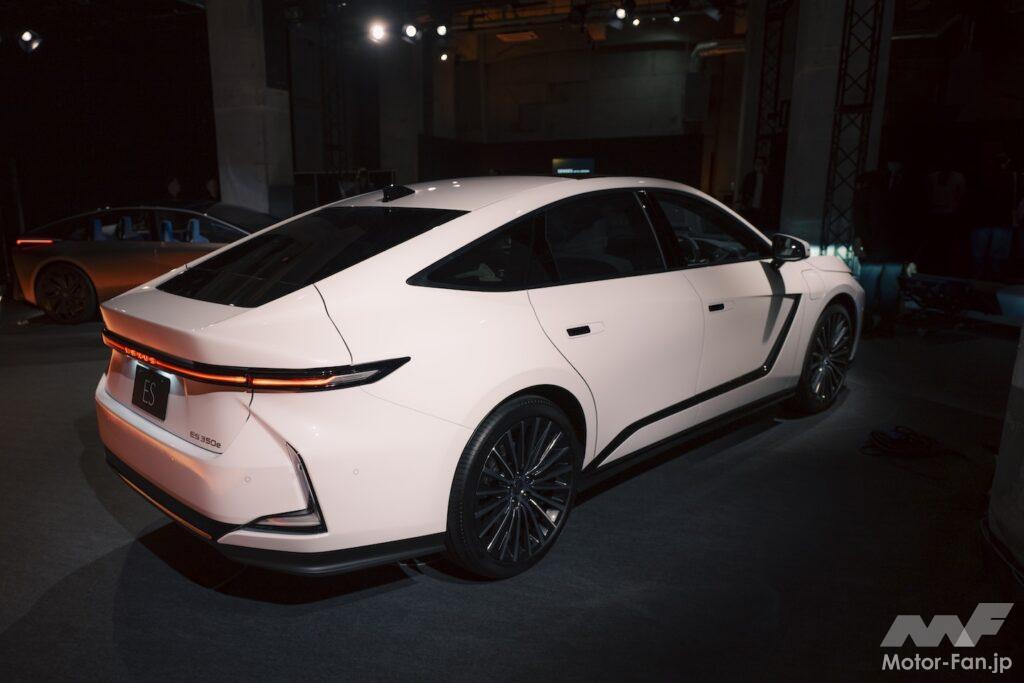
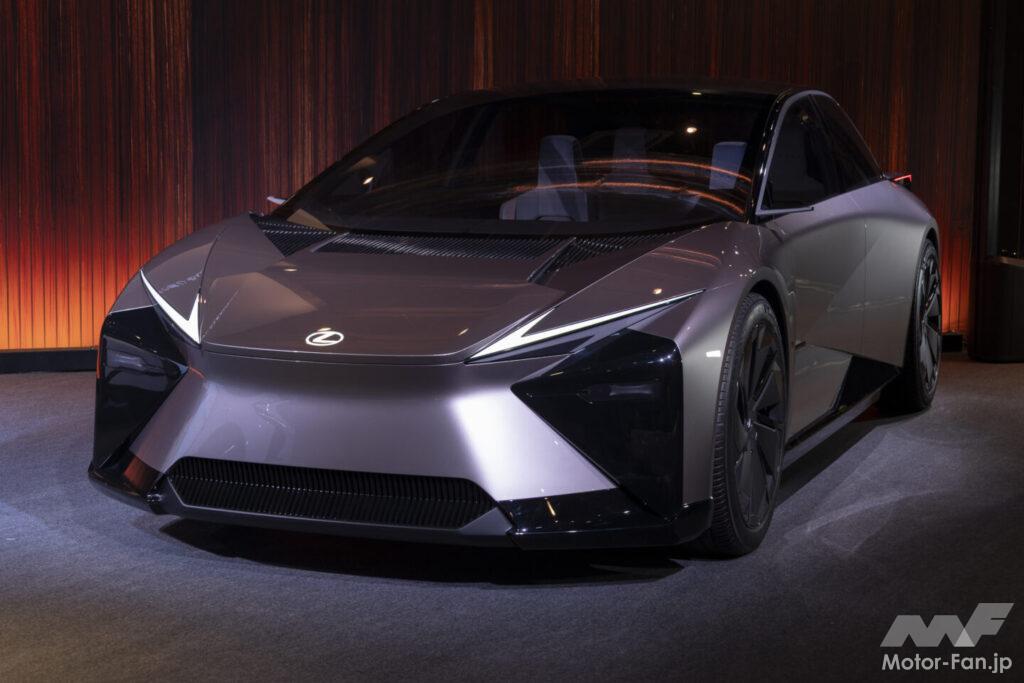
The all-new ES’s design concept is “Clean Tech × Elegance.” The focus is on overcoming the new packaging constraints brought by electrification technologies while expressing the “elegance” and “new worldview” Lexus strives for. The exterior takes inspiration from the next-generation BEV concept car “LF-ZC,” unveiled at Japan Mobility Show 2023, and embodies the new-generation spindle body.
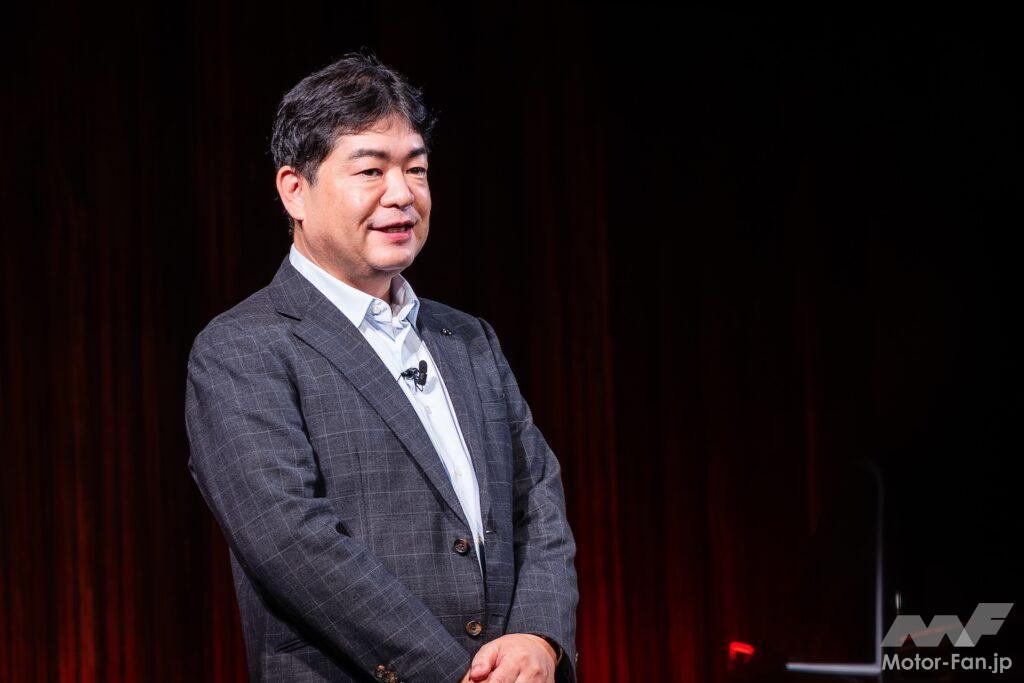
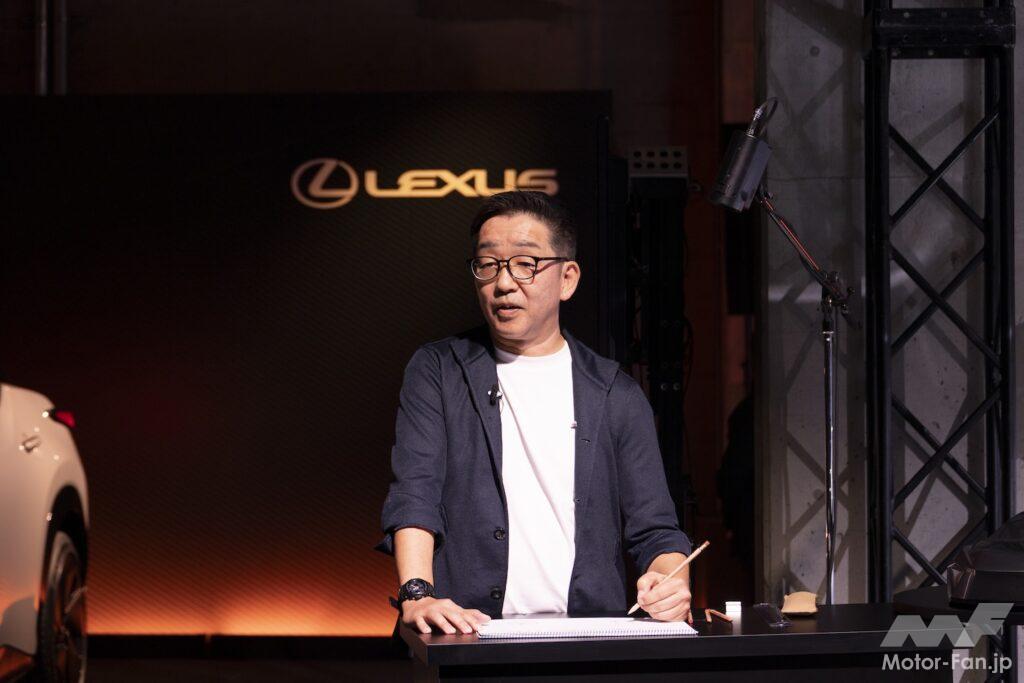
The Chief Designer of the all-new ES is Yahiko Kumai. Since joining Toyota in 1991, he has worked on exterior designs including the previous-generation LS, iQ, GR Supra, and Lexus NX. At this event, Kumai sketched on the spot while explaining the key points of the all-new ES’s design.
The ES’s proportions differ completely between the previous generation and the new one. The previous model placed occupants as low as possible, inheriting the “sleek and elegant” DNA passed down through generations of ES while pursuing the stylishness of a classic sedan. However, in the BEV-ified all-new ES, the floor is raised to accommodate a battery under the floor, and if one aims to seat occupants in an appropriate posture, it becomes necessary to increase overall height. “When a sedan grows taller, its balance suddenly falls apart. There have been tall sedans in the past, but few have truly succeeded,” Kumai said. How to overcome that highly challenging hurdle became the crux of design development for the all-new ES.
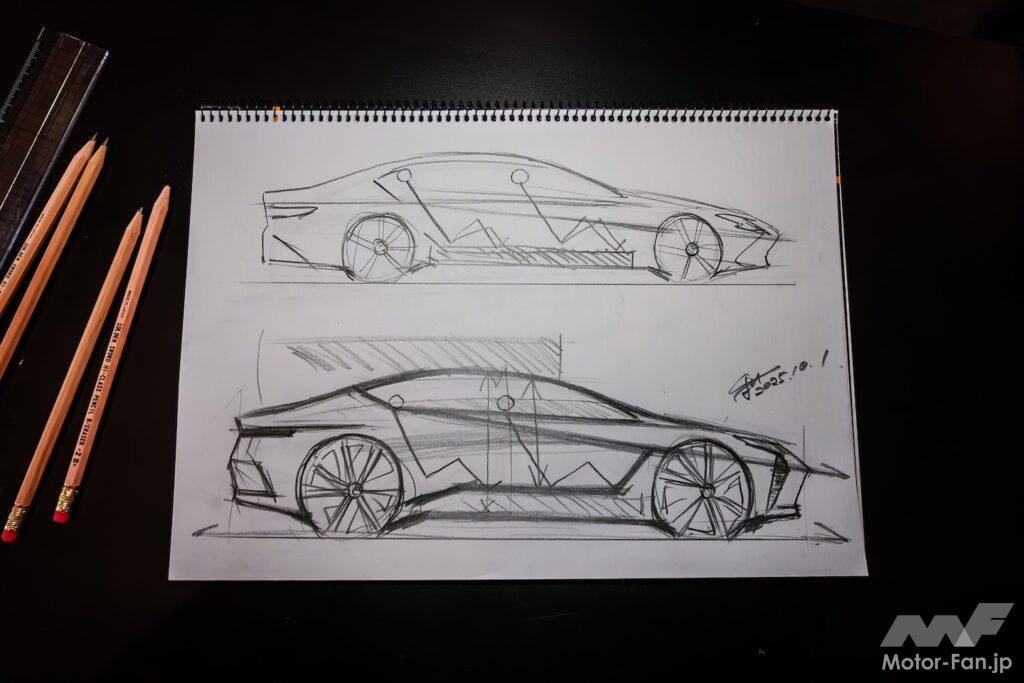
To address this challenge, the development team researched packaging from a zero base. After carefully considering usability and ease of ingress/egress, the all-new ES achieves a feeling of getting in and out naturally and comfortably, rather than “dropping your hips” into a traditional sedan. On top of that, by balancing fore-aft length and height so the body does not feel tall, the team realized a never-before-seen “beautiful proportion even with height,” expressing an elegant worldview befitting a next-generation sedan.

Visual devices were also incorporated. The molding applied to the body sides is intended to create the effect of making the ride height appear lower. Furthermore, by combining the downward sweep of the side molding toward the rear with the final upkick of the rear window, the entire car is made to feel like a single dynamic mass. Through such measures, the all-new ES presents a fresh worldview unlike previous sedans.

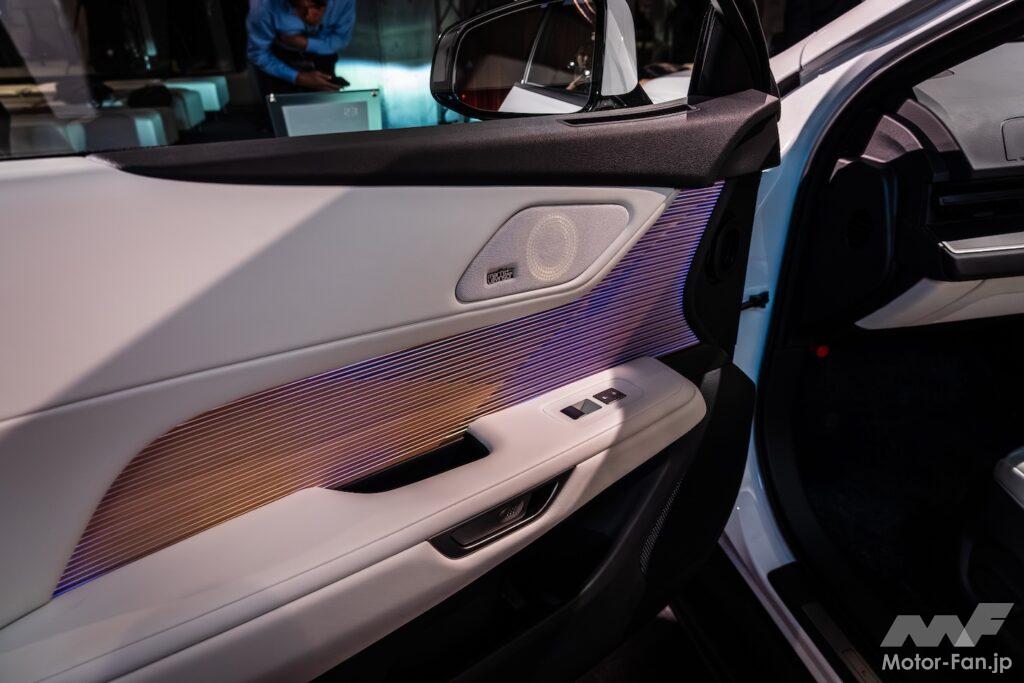
Inside, a key feature is “Sensory Concierge.” This system coordinates illumination, climate control, the multimedia screen, fragrance, and even air bladders integrated into the seats to orchestrate the cabin environment. Three modes are available: “Inspire,” which elevates the mood; “Radiance,” which supports concentration; and “Revitalize,” which creates a relaxing atmosphere.

Among these features, the fragrance can also be operated independently. Based on the concept of “Lexus’s unique sense of time,” the system offers five scents themed on the flow of time. The generator installed in the glovebox of the all-new ES can hold three cartridges, and scent is dispersed from a speaker grille set deep within the instrument panel. The three scents can be switched via multimedia screen operation.

Fragrance development was carried out jointly by Lexus and Givaudan, the world’s largest fragrance manufacturer. All fragrances share a signature scent: the “Bamboo Accord,” which expresses bamboo, a signature material, thereby building a brand-unique olfactory worldview. Emphasis was also placed on aspects such as fragrance technology applying natural science and sustainability through replaceable cartridges.
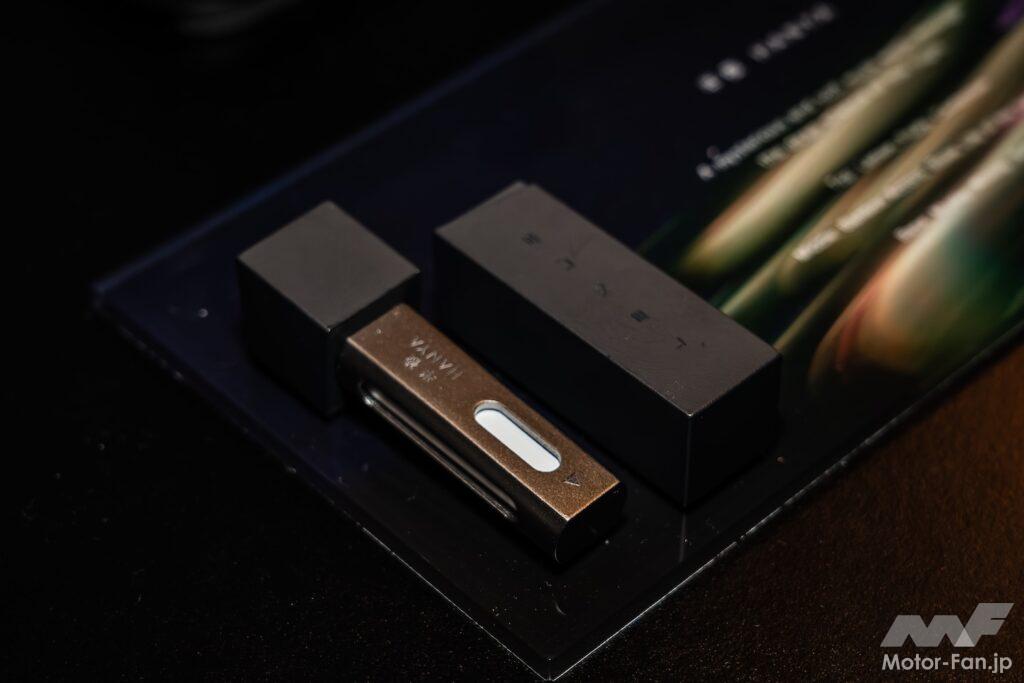
Trying the fragrances in practice reveals that the five scents each have distinct character, making it enjoyable to switch them according to the day’s mood and situation. Many new models today aim to differentiate interiors through the size and number of displays and illumination effects. In the future, fragrances may also become essential items for luxury cars — that era might not be so far off.
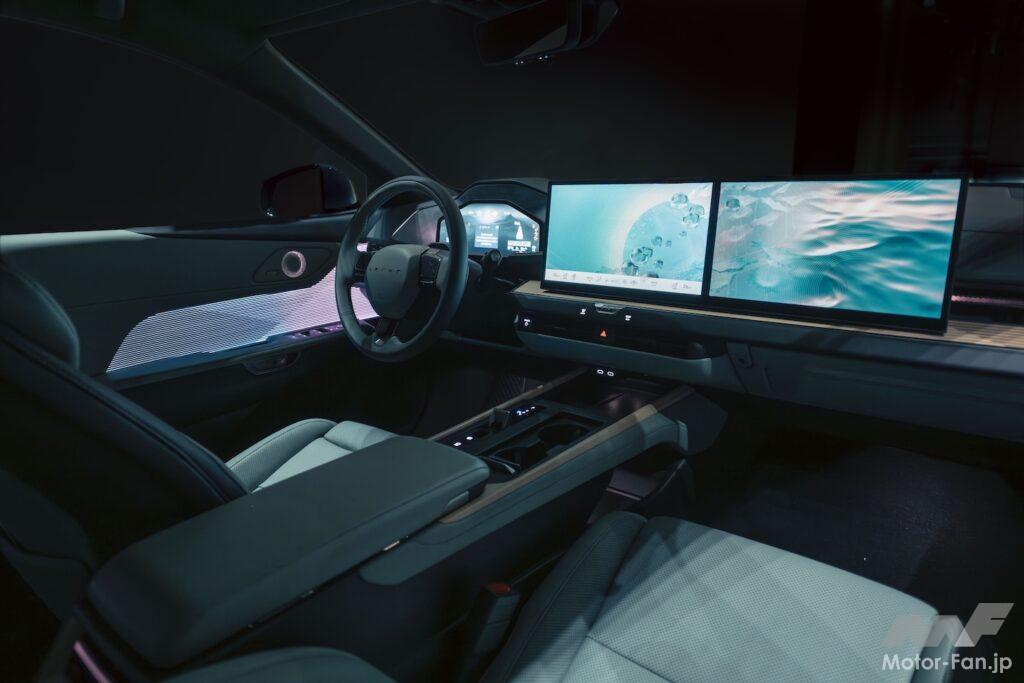
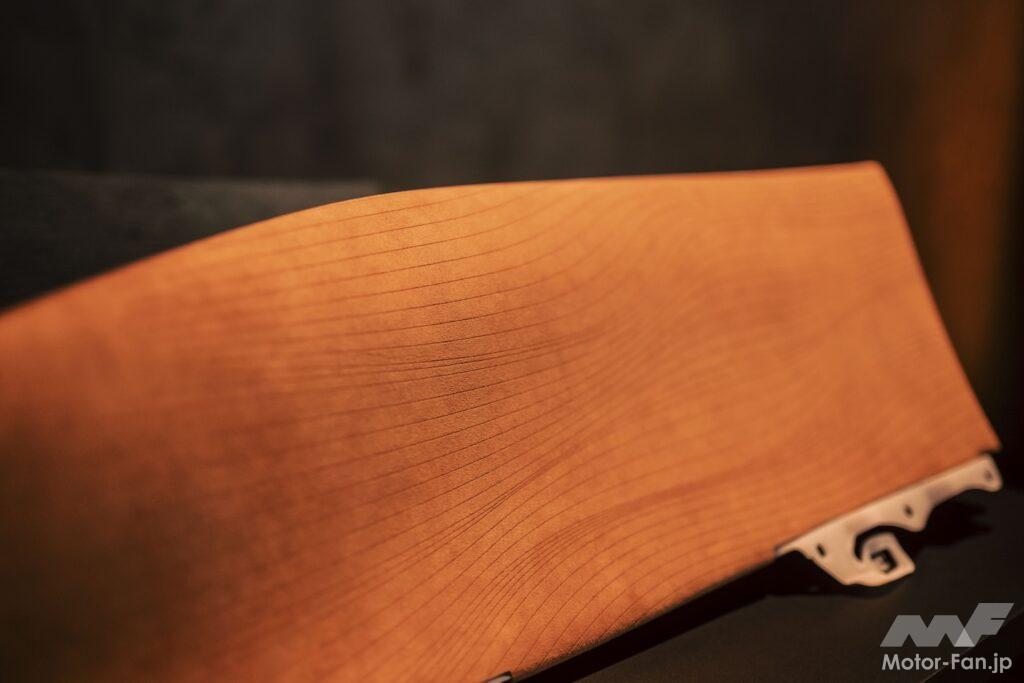
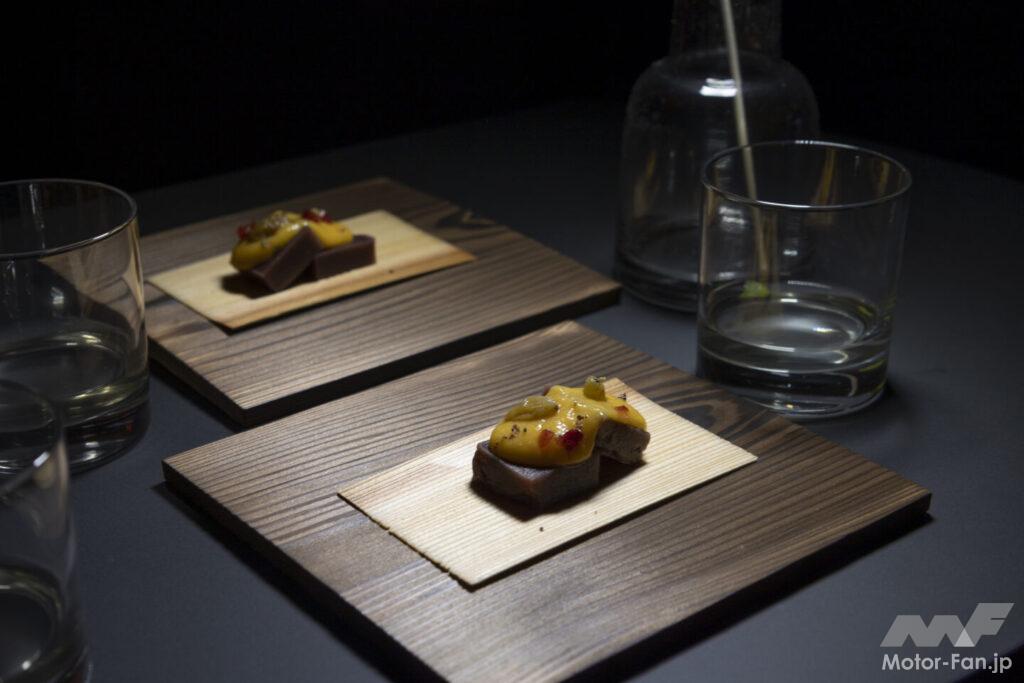
At Lexus, in addition to the conventional Color, Material, and Finish, there is a “CMFX” team that designs Experience — experiential value encompassing the five senses. CMFX fuses functional value in the car with the emotional value conveyed through materials to create a uniquely Lexus high-quality mobility experience. That value will likely become indispensable in discussing Lexus going forward.
カーデザインの関連記事


マツダEZ-6/マツダ6eが2026年「ワールド・カー・デザイン・オブ・ザ・イヤー」を受賞!


「100年を超えて輝き続ける宝石たち」世界最高峰のビスポークモデルを作り続ける「ロールス・ロイス」

1970年代キャメルGTチャレンジ参戦車両を現代に甦らせたワンオフ仕様「ポルシェ911S/T」登場

グラン・カナリア最高標高の村に着想を得た「ベントレーベンテイガ アルテナーラエディション」

中国モデルメーカーの現状を見る。熾烈な競争を続ける中国自動車産業、その要を担うモデルメーカー_Part 2/上海SKY