Motorcycle Design: Vol. 1 [Exterior Parts Are Functional Parts]
![by Car Styling [カースタイリング]](https://motor-fan.jp/wp-content/uploads/2025/04/carstyling-jp_logo.png)



When people hear the words “motorcycle design,” they tend to picture someone coming up with flashy colors and graphics, or assume that the engineers handle the exterior appearance as well. However, just as with car design, motorcycle design is an industrial product discipline, and the designer’s role remains the same: to determine the product concept and then conceive and create the forms that best express it.
The design development process involves establishing the overall image through idea sketches, much as in car design. What is critically important in motorcycle design, however, is that almost every exterior component is also a functional component. Because a single motorcycle is assembled from these individual functional parts, the scope of what a designer works on extends far beyond overall styling — it encompasses the shape, material, surface treatment, color, and graphics of each individual part, all grounded in function.

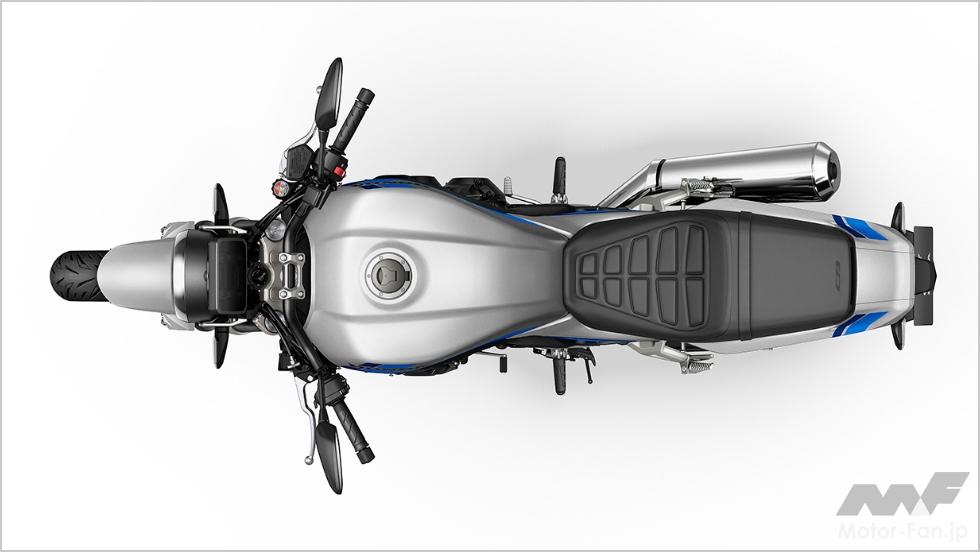
The fuel tank, for example, is not only a receptacle for gasoline — it is also a critically important functional component that the rider grips between their knees when astride the motorcycle, providing body stability and control. Larger-displacement motorcycles require tanks with greater capacity to achieve sufficient range, yet the tank narrows in the knee-grip area so the rider can hold it securely. The tank must thus simultaneously satisfy the functional requirements of capacity and knee grip, while also serving as the most prominent visual feature that defines the motorcycle’s image and style. Designers develop their sketches primarily in side view, but always with a three-dimensional form in mind — not just the tank shape, but the full volume.

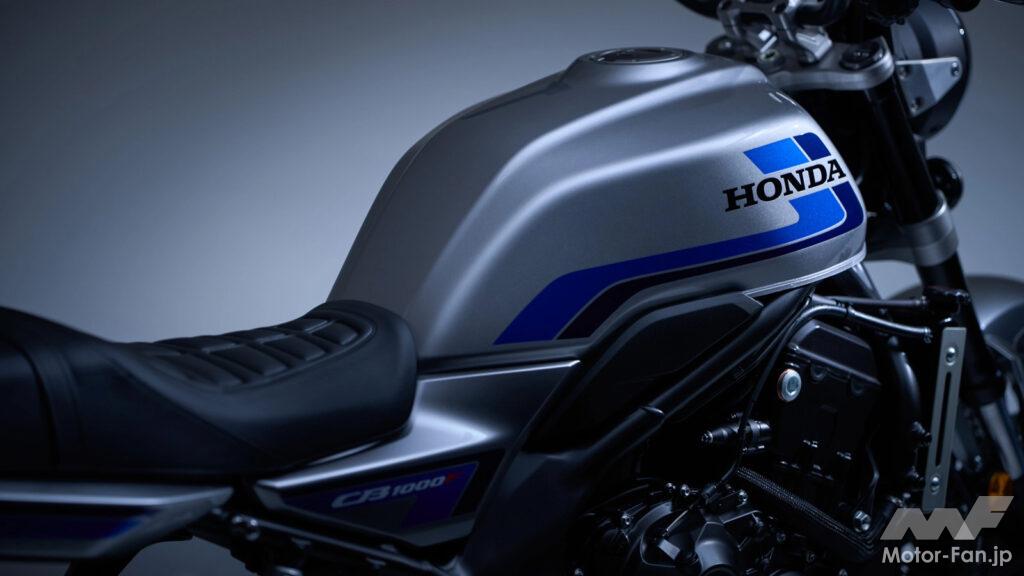
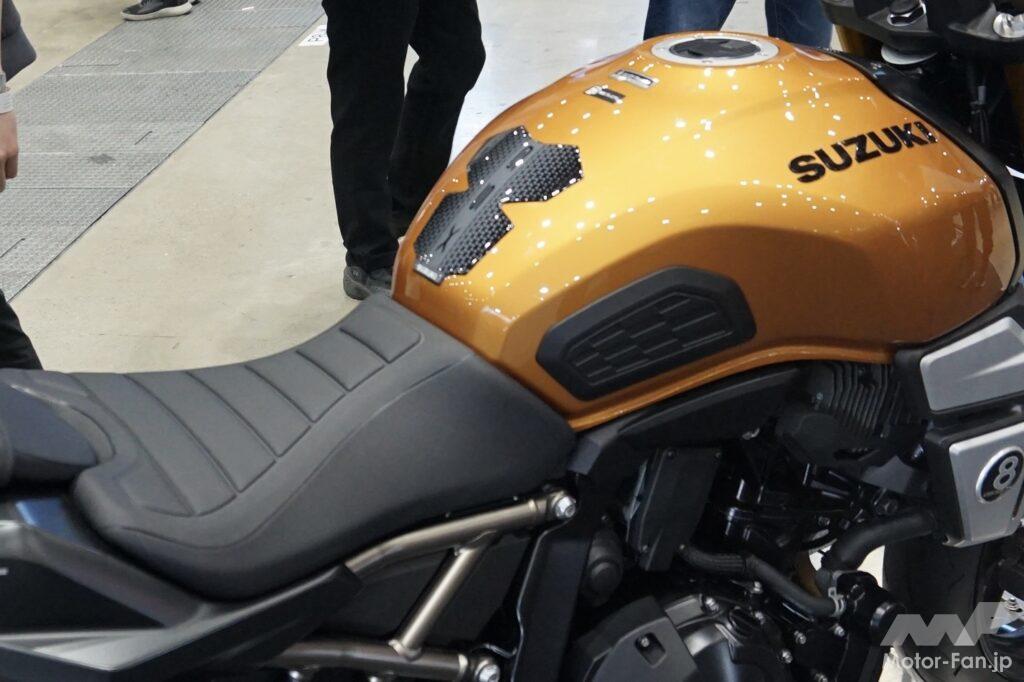
The seat shape, which flows from the tank, is another major element defining the overall silhouette. But the seat too has functional requirements that must be considered. The transition and angle between the seat and the tank’s knee-grip section must be addressed within the bounds of regulations and each company’s standards. Since the rider must be able to place their feet on the ground when stopped, seat height is often around 800mm, and the inner-thigh area is kept narrow to make it easier for feet to reach the ground. This quality — how easily a rider’s feet can touch the ground — is described as “footing accessibility” and is one of the most important factors for shorter riders. The seat must also prevent the rider from inadvertently sliding forward or backward during riding, so even on forward-leaning motorcycle designs, the seat surface angle is kept within a few degrees of horizontal.
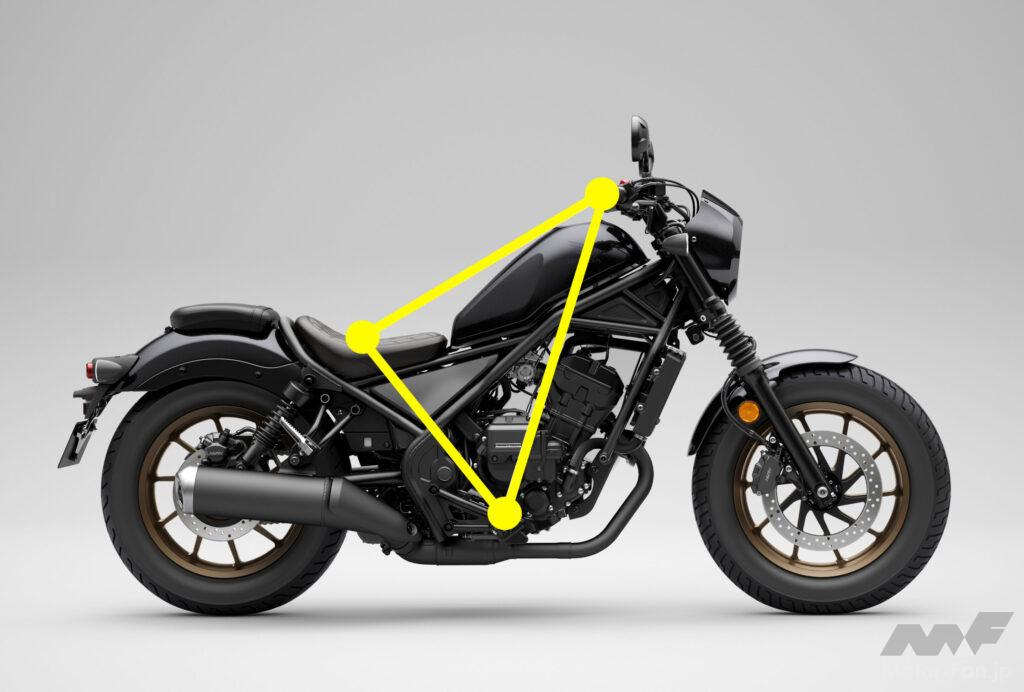
The three points formed by the handlebar grip position, the seated position on the seat, and the footpeg position together define the riding position, establishing the fundamental triangle that determines the rider’s posture. On supersport bikes the rider leans forward aggressively, while on off-road bikes the back remains more upright — the triangle varies considerably depending on the function and intended use of the motorcycle. When beginning idea sketches based on a given concept, this triangle must be roughly established from the outset, as it is fundamentally about how the rider is positioned on the machine. Motorcycle design demands a constant awareness of the rider, with the premise always being that “a person straddles and operates this machine.” The sketches themselves, in other words, are rooted in function.(Figures 4-1 through 4-6)



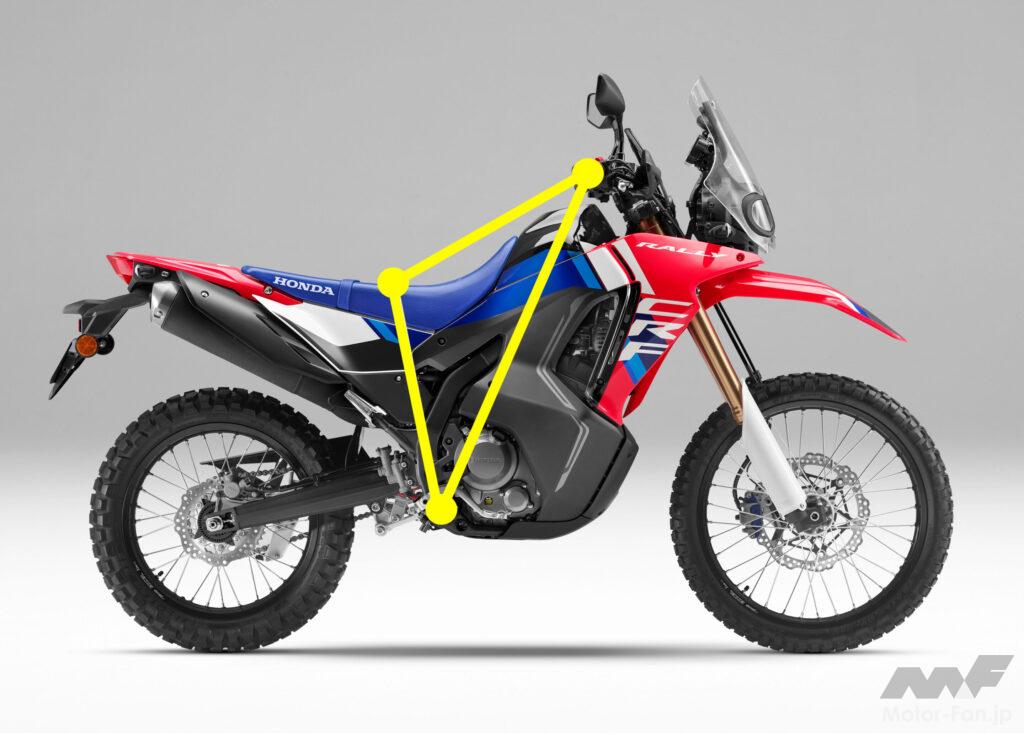
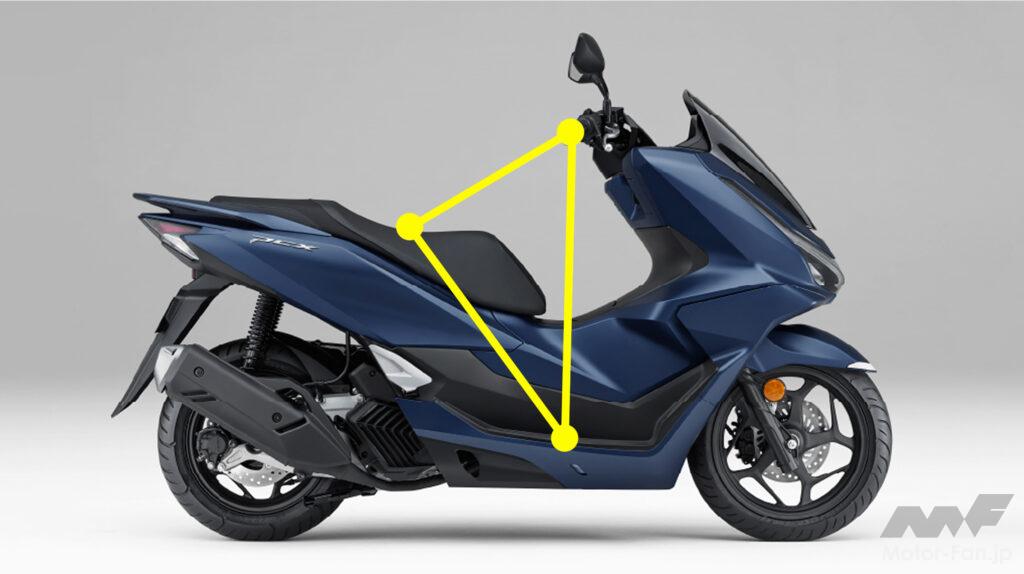
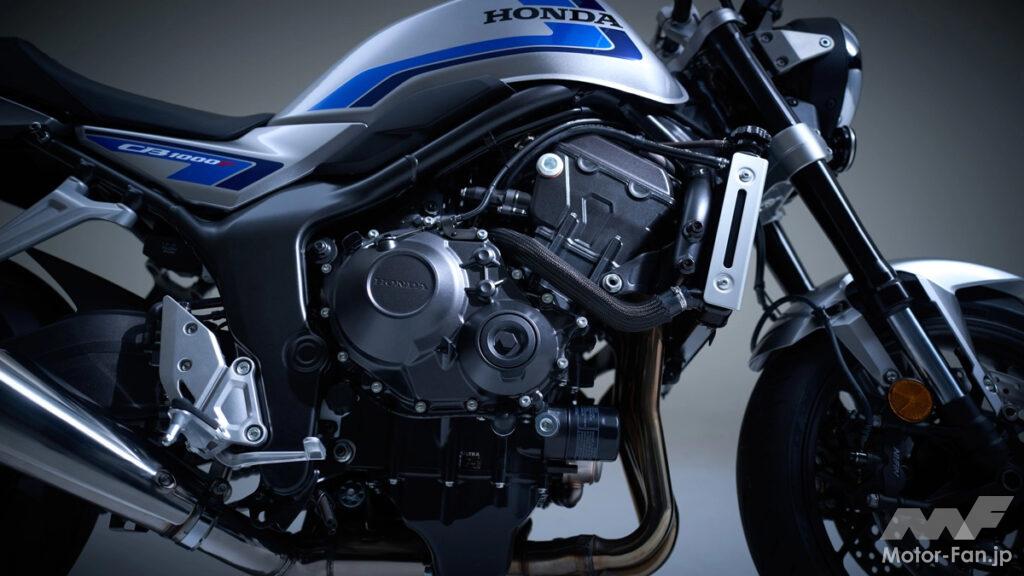
If there is an existing base model to build upon, design work proceeds from that foundation. For an entirely new model, the designer works with the chassis engineers to establish the basic layout before advancing the design work. With an existing model, some parts may be carried over or partially revised, but for a new model, design work proceeds part by part for every exterior component. Even the engine — the heart of the motorcycle — receives exterior design treatment by the designer, and this requires the designer to have a certain level of knowledge about engine structure and component configuration. There are times when the placement of fastening bolts must be reconsidered, calling for an engineer’s perspective as well.(Figure 5)

The exhaust system — from the exhaust pipes to the muffler — is another element that carries significant visual weight in motorcycle design and greatly influences the overall impression. Exhaust gases travel through the pipes from the engine and are silenced by the muffler before being released into the atmosphere. As a functional component that affects engine performance, the exhaust system is also an exterior component that visually communicates the motorcycle’s performance character. When developing idea sketches, the designer must consider how the pipes are routed, how large the muffler should be, how many outlets there are, and what surface treatments to apply. In recent years, catalytic converters and sensors have become necessary due to emissions regulations, and figuring out how to minimize their visual prominence is an additional challenge. Since mufflers become extremely hot, heat shields are sometimes added to protect riders from burns, requiring the designer to consider the shape of both the muffler body and the cover simultaneously.(Figure 6)
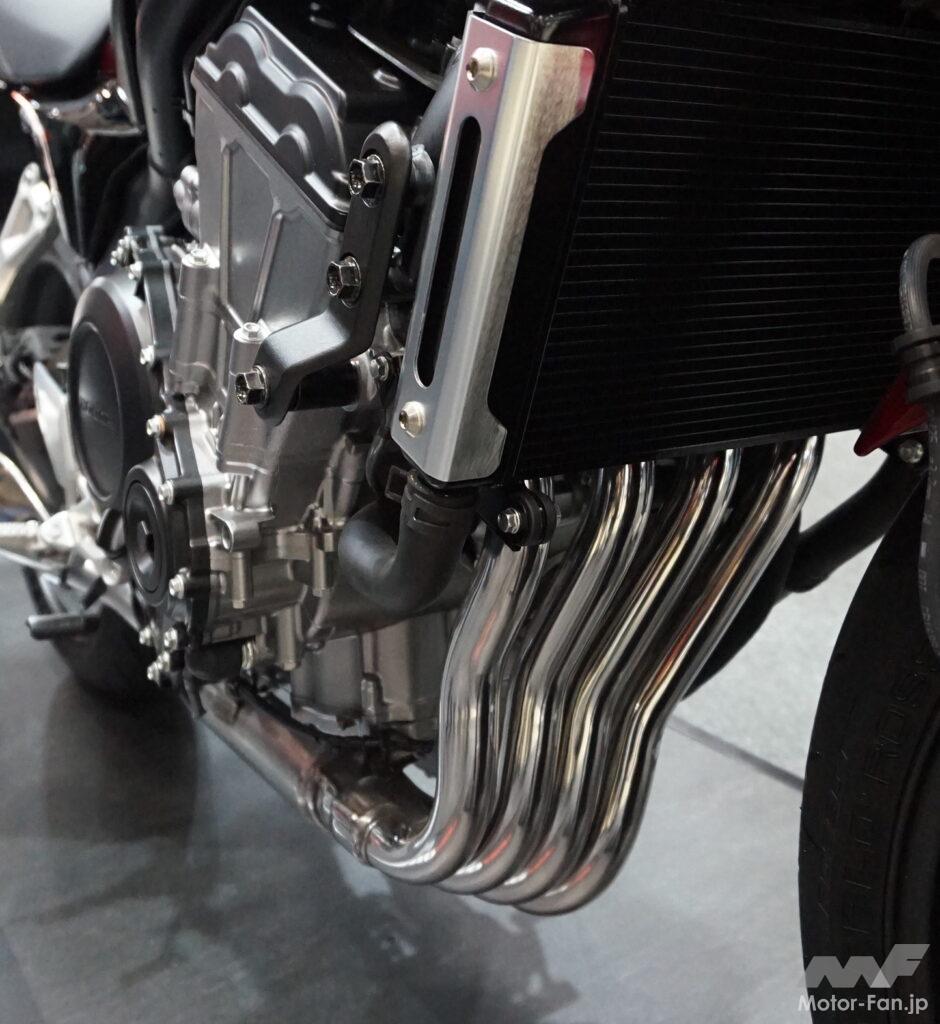
Incidentally, because motorcycle sketches are primarily developed showing the right side — where the muffler is visible — they are often drawn with the front wheel on the right, which is the opposite orientation from car sketches, where the front wheel typically appears on the left.
Regarding the frame, the basic structure is determined through discussions with engineers based on the concept. The designer must understand the material and manufacturing method — whether it is a steel tube frame, an aluminum die-cast frame, an extruded-material frame, and so on — and must be able to visualize how various surface treatments will affect the appearance. All of this is then reflected in the idea sketches.(Figure 7)
With tires, if no commercially available product meets the required size and performance specifications, a new tire may be developed, and a new tread pattern may be designed as well. The designer conceives a tread pattern suited to the concept of the model, determines the direction in consultation with the tire manufacturer’s expertise, and ultimately refines the details through prototype testing under actual riding conditions.
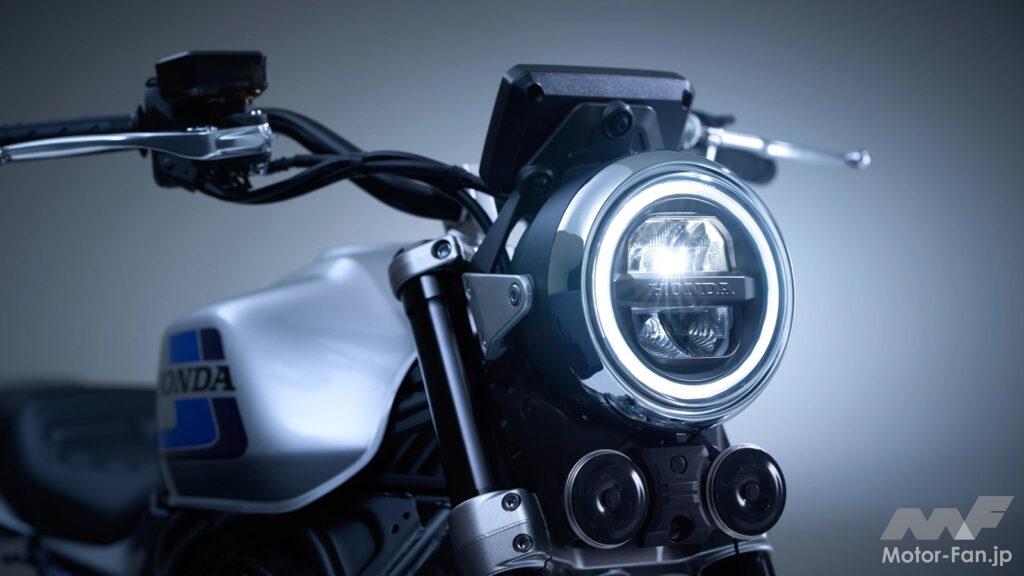
Beyond these, there is a wide range of other exterior-related components: lighting units such as headlights, turn signals, and brake lights; UI elements such as instrument cases, displays, and control buttons; cast wheels, disc brakes, suspension, and other chassis components. How emerging technologies are incorporated into these elements also becomes a factor in enhancing the product’s appeal. Because nearly every functional component of a motorcycle is exposed to the outside, it is simultaneously a functional component and an exterior component. It is the motorcycle designer who bears responsibility for the appearance of every single one of these parts.
Another characteristic of motorcycle design — in contrast to the highly subdivided world of car design development — is that one model is typically handled by just one or two designers.
Furthermore, since motorcycle users are often enthusiasts, designers are expected to maintain a keen personal interest as motorcycle users themselves — staying attuned to user preferences, new technologies, and trends visible in the aftermarket parts scene.
カーデザインの関連記事


ヤマハ YZF-R7がグッドデザイン賞を受賞! スーパースポーツの美しさと操りやすさを高評価! 手のひらサイズの“ワイヤレス操船機”も同時受賞!


911より上位のミドシップスポーツを予告する「ポルシェ ミッション S」がNYでワールドプレミア【動画】

ポルシェが911の上に置くミッドシップ・スーパースポーツのビジョンモデル「ミッションS」を世界初公開。次世代のデザインアイデンティティも示す

パーツを絞り込んで造形の純度を高める「デザイン・インテリジェンス」で、DSオートモビルの未来像を示した「DS F3VER」

オペル、次世代のステーションワゴン像を示す「STXコンセプト」を公開。オペルバイザーはより大胆な表現に進化する
