At the Forefront of Lexus and GR Design Development: The Human-Centered Philosophy Behind an Ideal Studio Environment
![by Car Styling [カースタイリング]](https://motor-fan.jp/wp-content/uploads/2025/04/carstyling-jp_logo.png)



Toyota Technical Center Shimoyama: Completing the Entire Development Cycle in One Location
Research and development facilities are among the most restricted areas within an automaker—places that even members of the media are rarely allowed to enter. Breaking with convention, however, Toyota opened the doors of the Toyota Technical Center Shimoyama (TTC-S) for an unprecedented media tour.
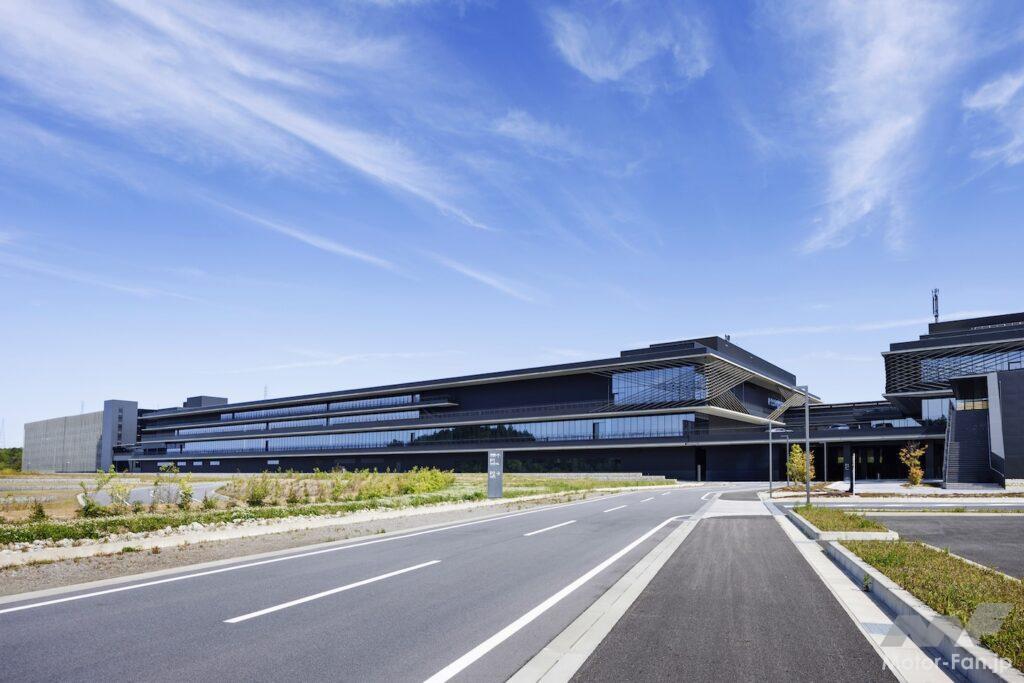
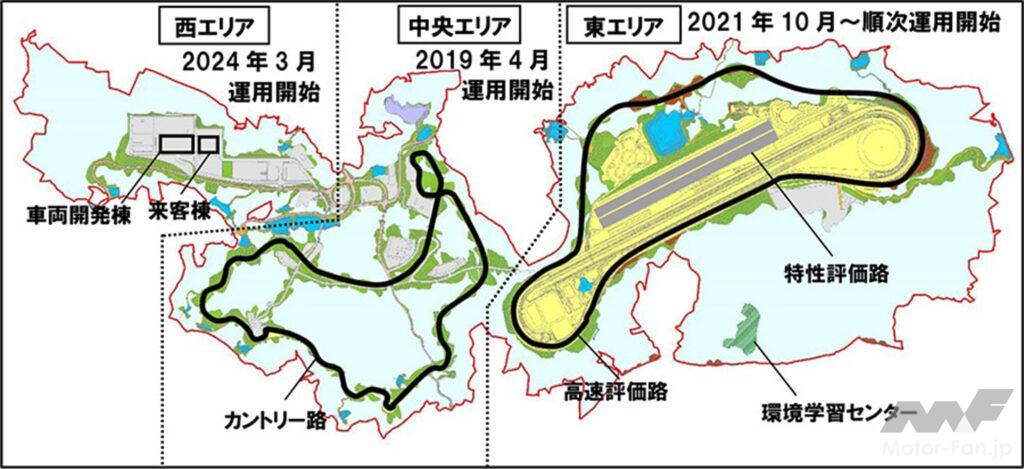
TTC-S serves as the primary research and development center for Lexus and GR. Fully operational since March 2024, the facility spans approximately 6.5 million square meters across Toyota City and Okazaki City in Aichi Prefecture. Around 3,000 team members work together on vehicle development at the site.
The phrase “one team” is commonly heard in business environments, but at TTC-S it is far more than a slogan. One of the most striking aspects of the facility is the close proximity of departments responsible for design, engineering, evaluation, and maintenance. The entire development cycle can be completed within a single location. At the heart of this system is the Vehicle Development Building located in the western section of the campus.
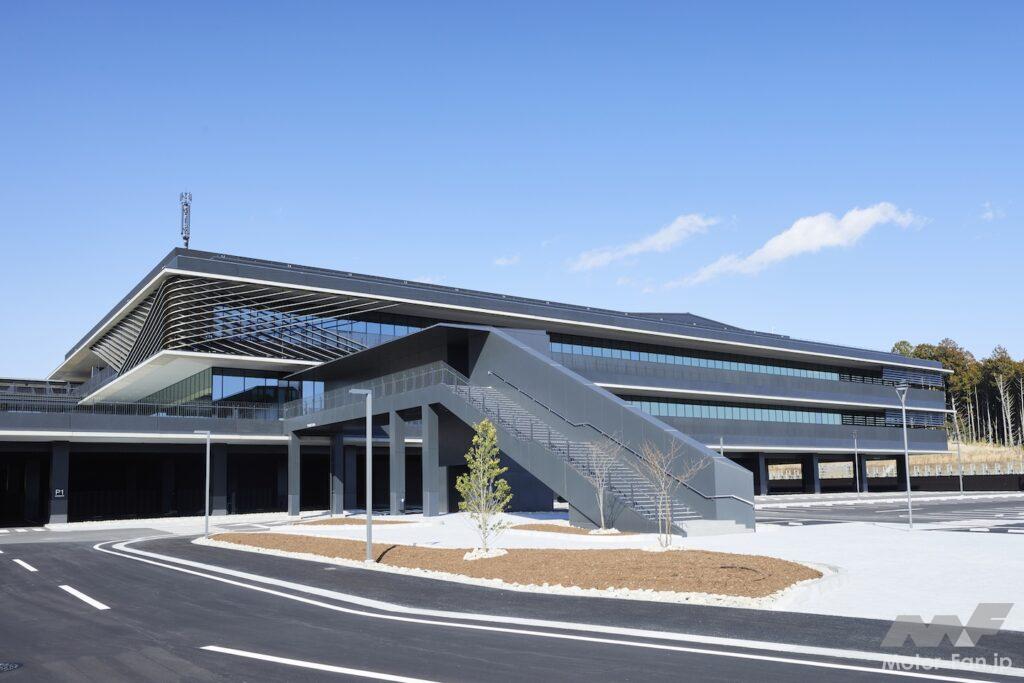
The Vehicle Development Building houses the maintenance floor on the first level, the planning and engineering departments on the second, and the design department on the third. It is also situated close to the high-speed evaluation track and vehicle dynamics course in the eastern area, as well as the approximately 5.3-kilometer Third Circuit in the central area, which was designed with inspiration from Germany’s Nürburgring.
This arrangement allows test drivers to complete a run, return to the garage to address any issues, feed data back to the development teams, implement improvements, apply those changes to the vehicle, and send it back onto the track—all within a remarkably short period of time.
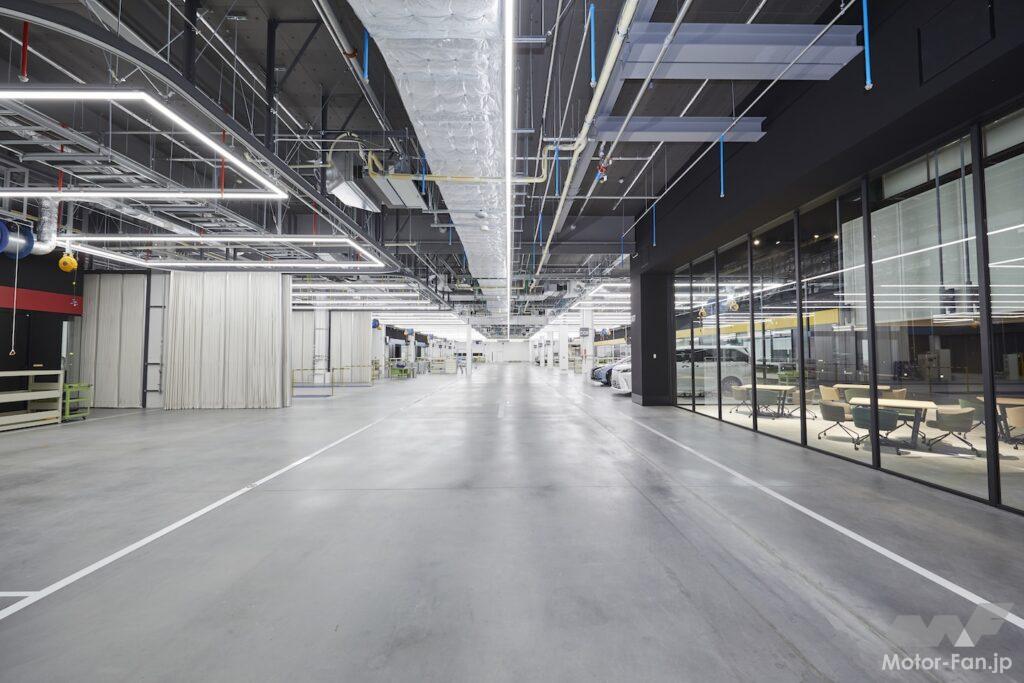
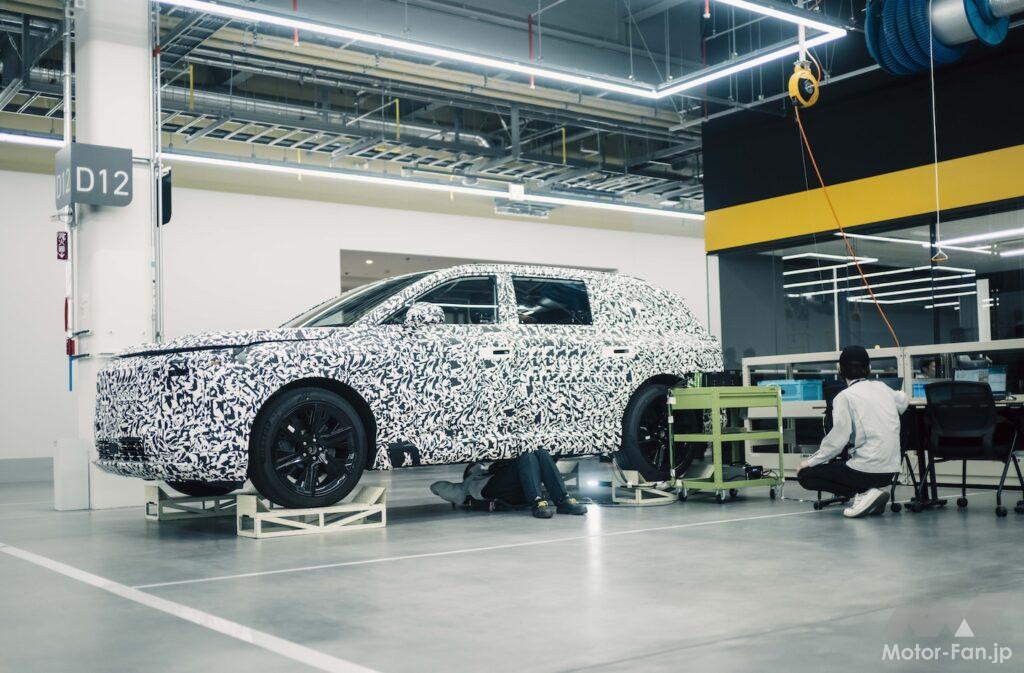
Stepping onto the first-floor maintenance area, which can accommodate up to 40 vehicles, we found drivers and engineers gathered around the newly developed mid-engine, four-wheel-drive GR Yaris M Concept. The team was reviewing driving impressions and analyzing data immediately after a test session. The scene resembled a motorsport pit garage.
Such a development environment demonstrates how practical experience gained through motorsports has become deeply embedded in Toyota’s manufacturing culture.
Elsewhere on the floor, an experimental vehicle with an extended body and four rear wheels was sitting on a lift. The six-wheeled Lexus LS Concept displayed at the Japan Mobility Show 2025 attracted considerable attention, but this prototype was reportedly built not merely as a design exercise. Instead, it was created to explore the feasibility of actually driving a six-wheeled vehicle as a step toward possible commercialization. TTC-S also serves as a venue for this type of experimental development.
A Design Department Floor Open to Development Team Members
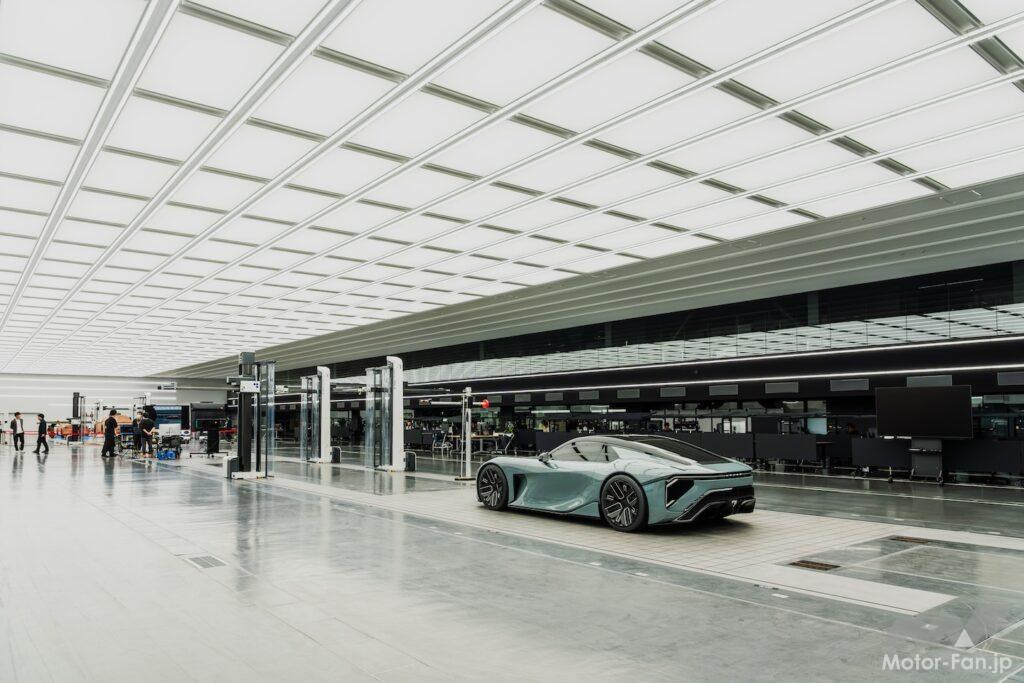
The media tour also included access to the Design Department Floor on the third level of the Vehicle Development Building.
Being allowed into a design department responsible for shaping future products is extremely unusual. The restriction previously applied not only to the media but also to Toyota employees. In the past, the area was regarded as a highly classified zone requiring special authorization even for staff members. At TTC-S, however, it has been designed as a collaborative space where anyone involved in vehicle development can enter, interact with designers, and engage in discussion.
At the beginning of the tour, Koichi Suga, General Manager of Lexus Design, explained:
“Lexus is a brand that puts people at the center, while GR pursues ‘ever-better cars’ through a driver-first philosophy. This people-oriented mindset is equally important within our design development environment. Even today, people remain at the center of vehicle creation.”
Even in an era where artificial intelligence plays an increasingly significant role, people remain at the core of automobile development. Human sensitivity, creativity, and refined craftsmanship continue to be valued above all else. Designers, physical modelers, and digital modelers work together, combining their expertise to bring future products to life.
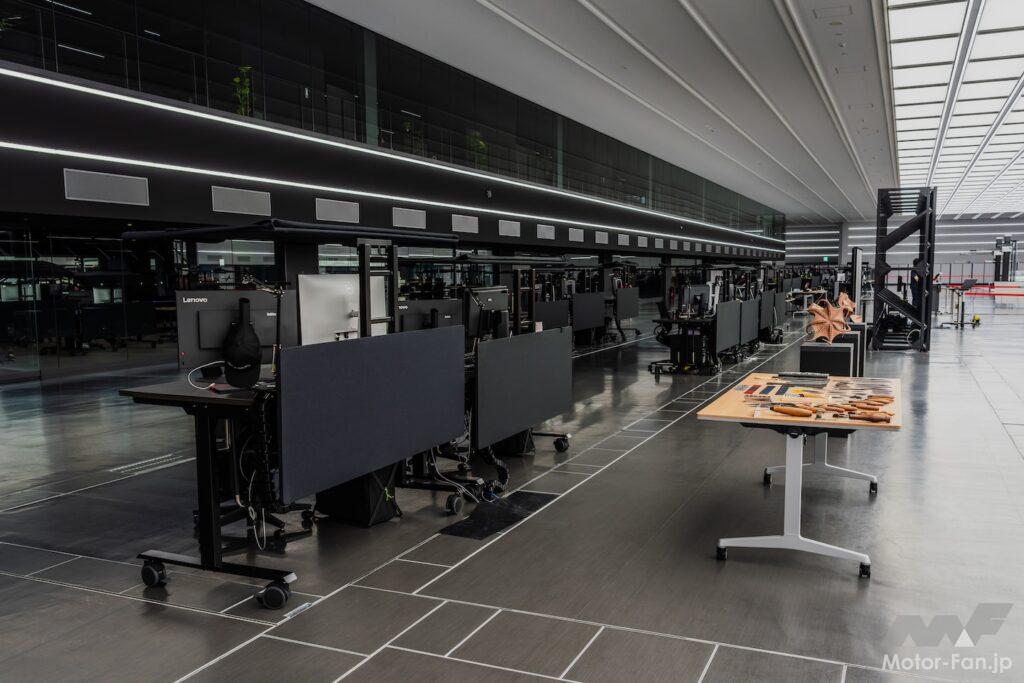
The Design Department Floor is organized around a central digital development area, with model-building spaces located on both sides. One of the first things visitors notice is the generous amount of space surrounding the development models.
Evaluating automotive design requires more than examining details up close. Designers must also step back to assess the overall stance, surface flow, and proportions of a vehicle. In many organizations, such a large area might be filled with additional workstations or personnel in the interest of efficiency. At TTC-S, however, management clearly understands that distance is essential to proper design evaluation. As a result, each model is provided with ample surrounding space, along with facilities specifically designed to support the evaluation process.
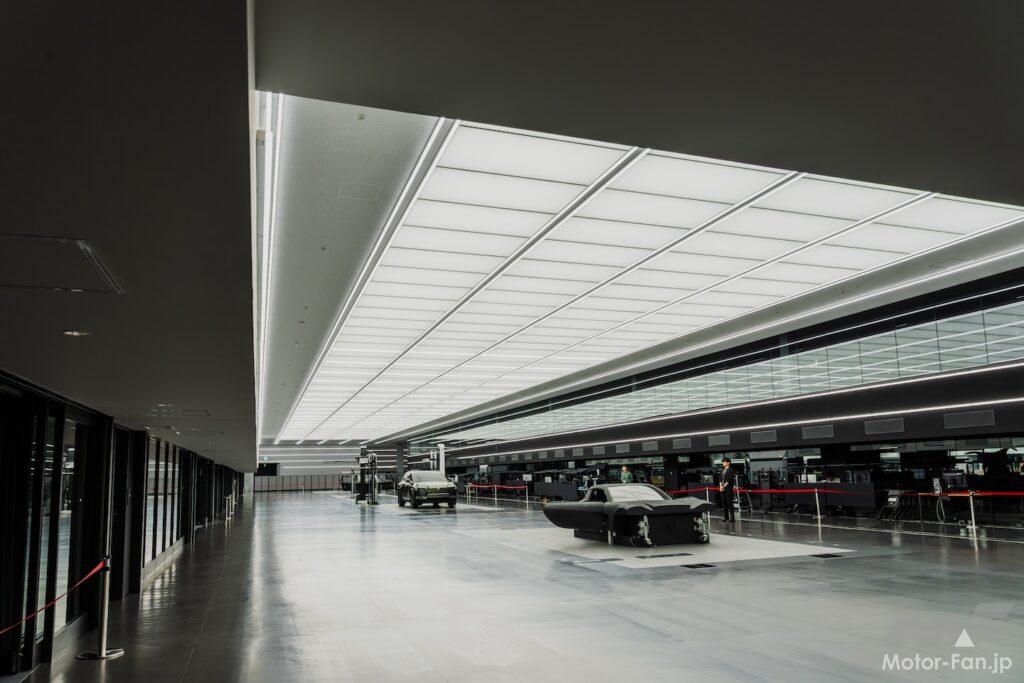

Exterior clay model of the Lexus LFA Concept displayed in the model room.

Exterior model of the Lexus TZ.

Finished to a level that closely resembles a production vehicle.

Components such as the door mirrors were produced as resin models.


Interior mock-up of the Lexus TZ.

The interior model is finished to such a high standard that it could easily be mistaken for a production vehicle.

Components such as the steering wheel center pad have been crafted with remarkable attention to detail.


One of the interior’s distinctive design features is the HVAC outlet positioned close to the driver within the center console.

Even the mock-up was built to allow air to flow through the outlet so its functionality could be evaluated.
Clay Modeling: A Symbol of the Genchi Genbutsu Philosophy
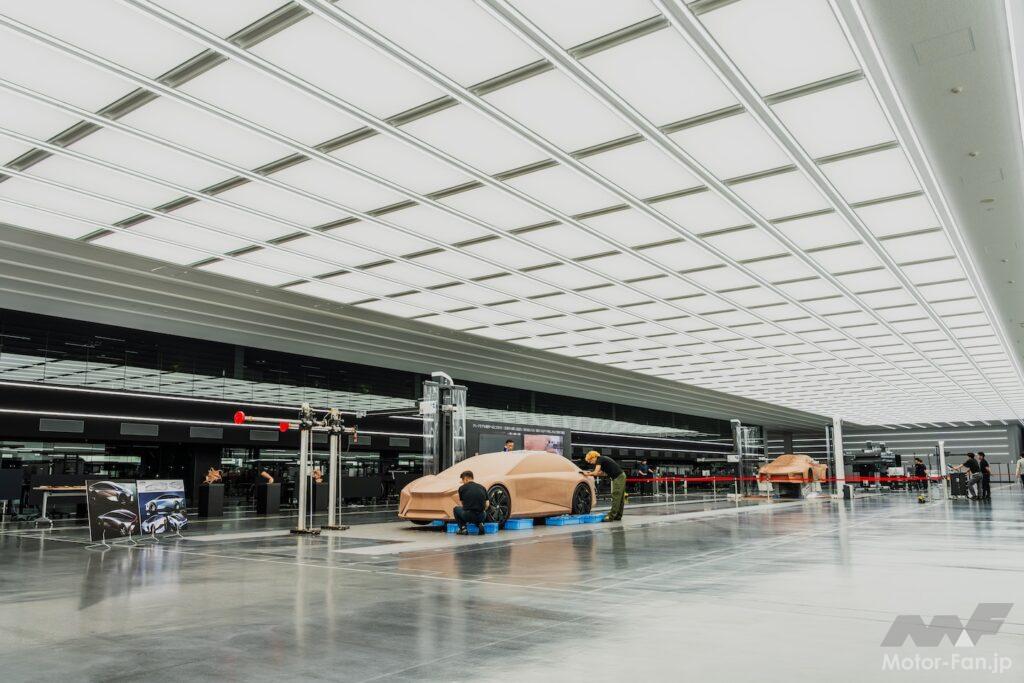
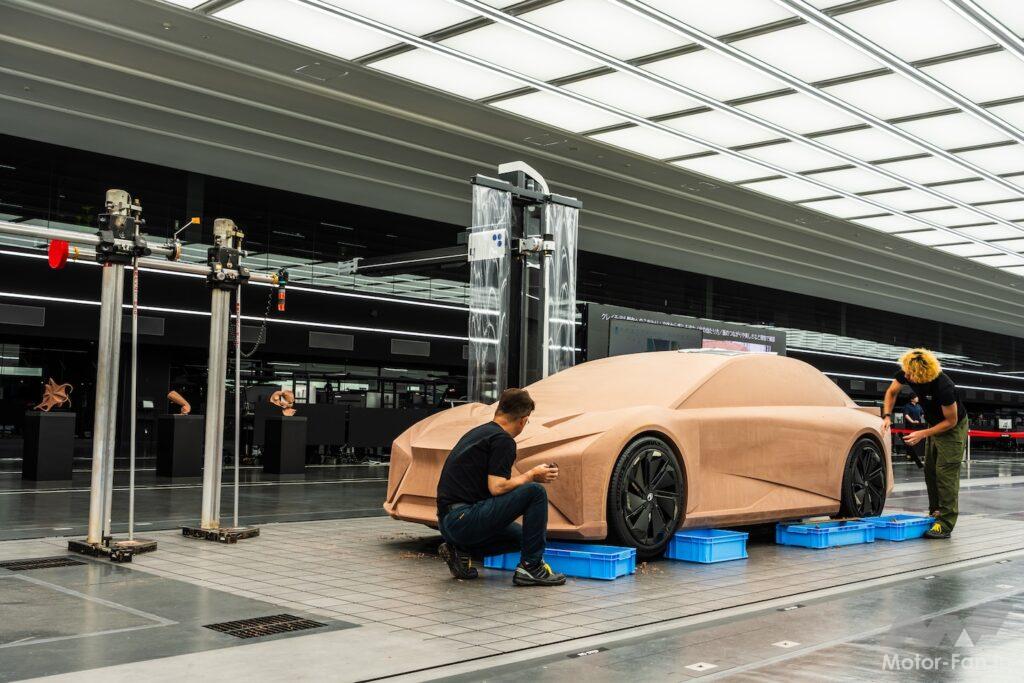
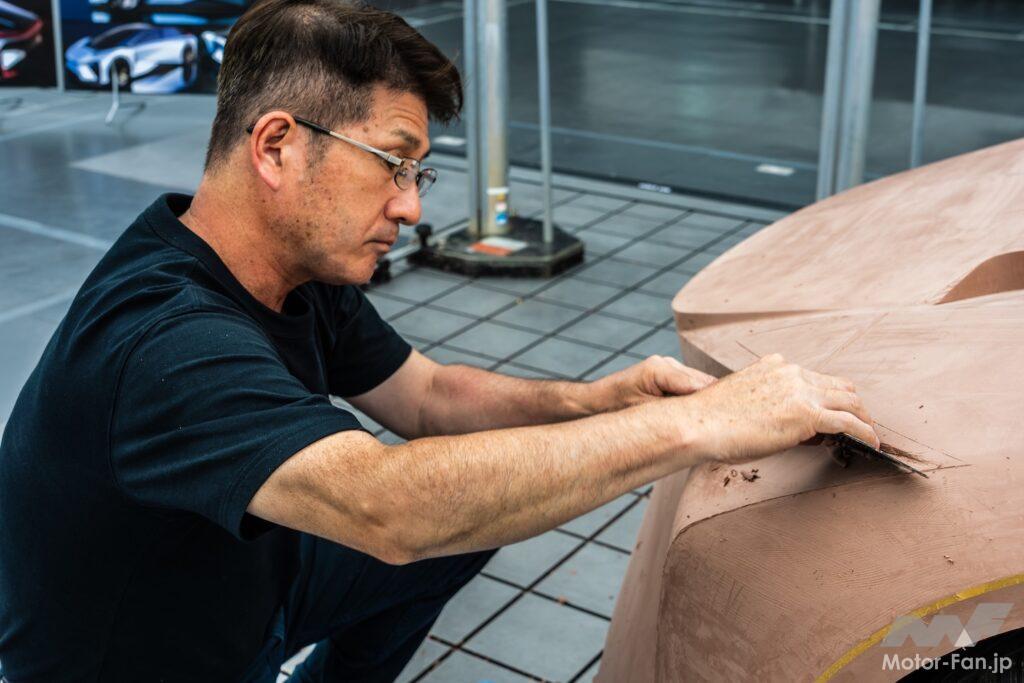
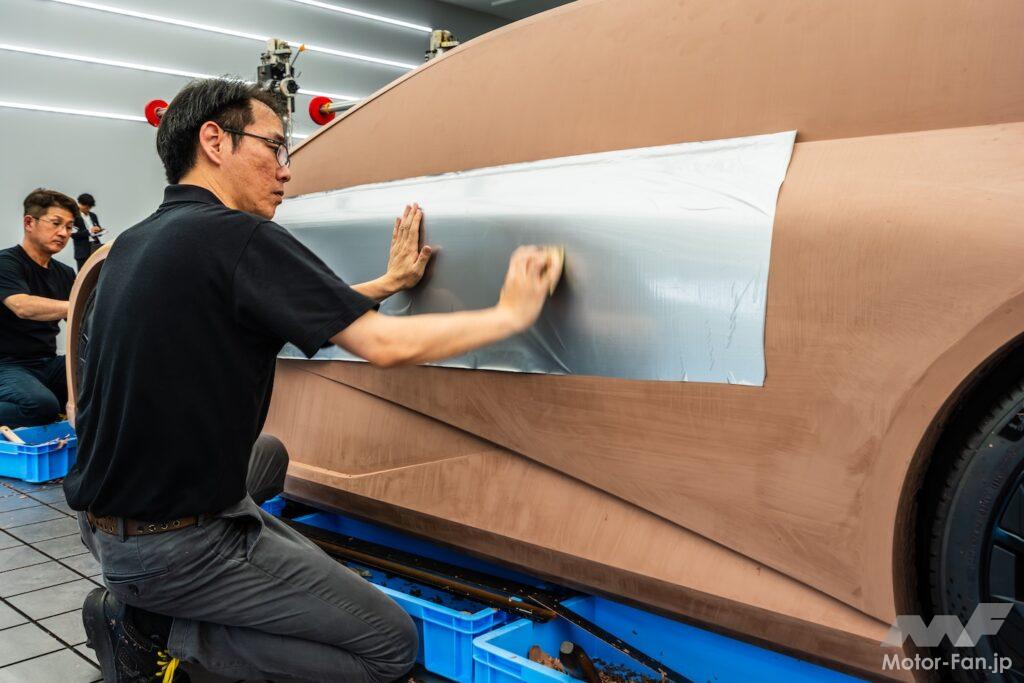
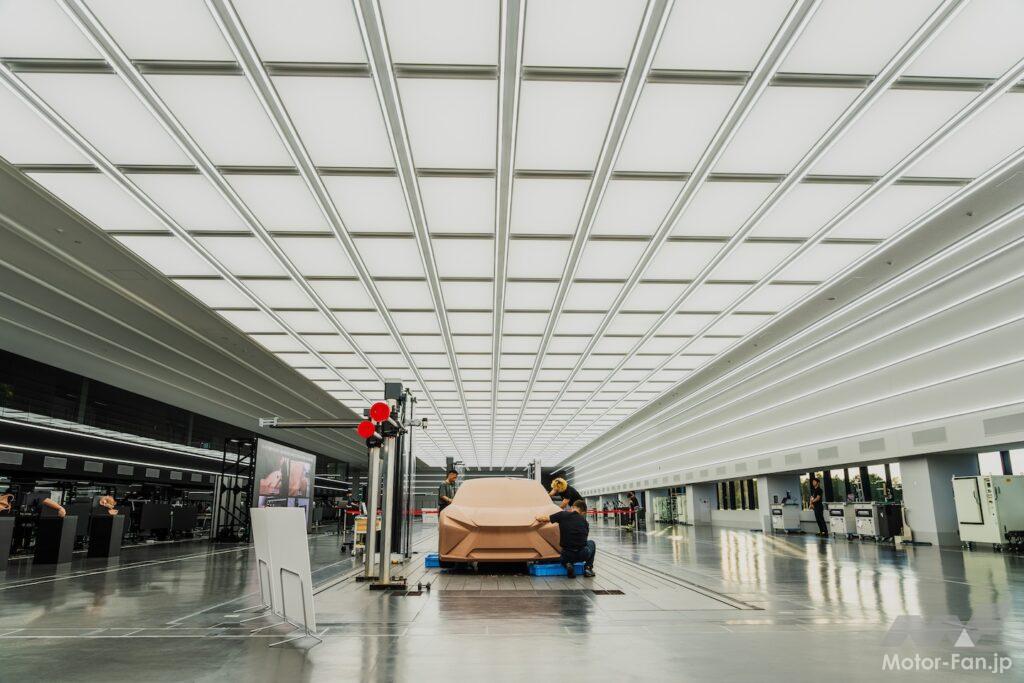
On one of the modeling platforms stood a full-scale clay model being shaped by a modeler. The scene embodied Toyota’s long-standing philosophy of Genchi Genbutsu—“go and see for yourself.”
According to Suga:
“Today’s advanced digital environments allow us to verify shapes with great accuracy. However, there are many aspects that can only be understood from a physical object—its presence, the way light interacts with surfaces, and the beauty of its forms. That is why we continue to pursue Genchi Genbutsu design development using full-scale clay models.”
Although digital tools are capable of accurately reproducing vehicle forms, full-scale clay models remain indispensable. Nothing surpasses a physical model when evaluating presence, surface quality, the way light plays across the body, and the vehicle’s overall stance.
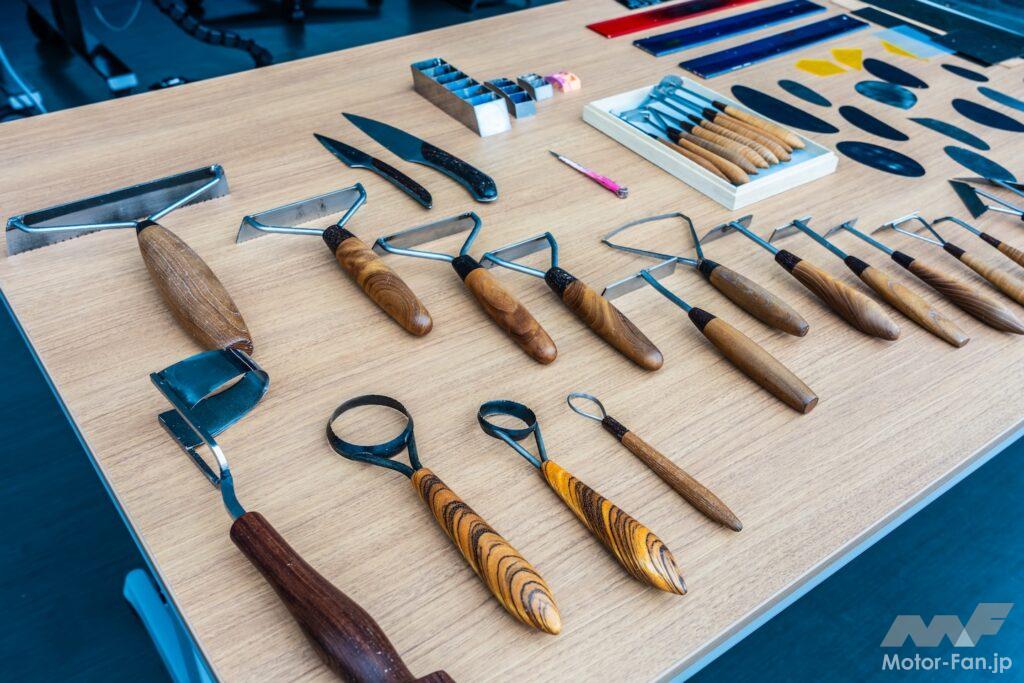
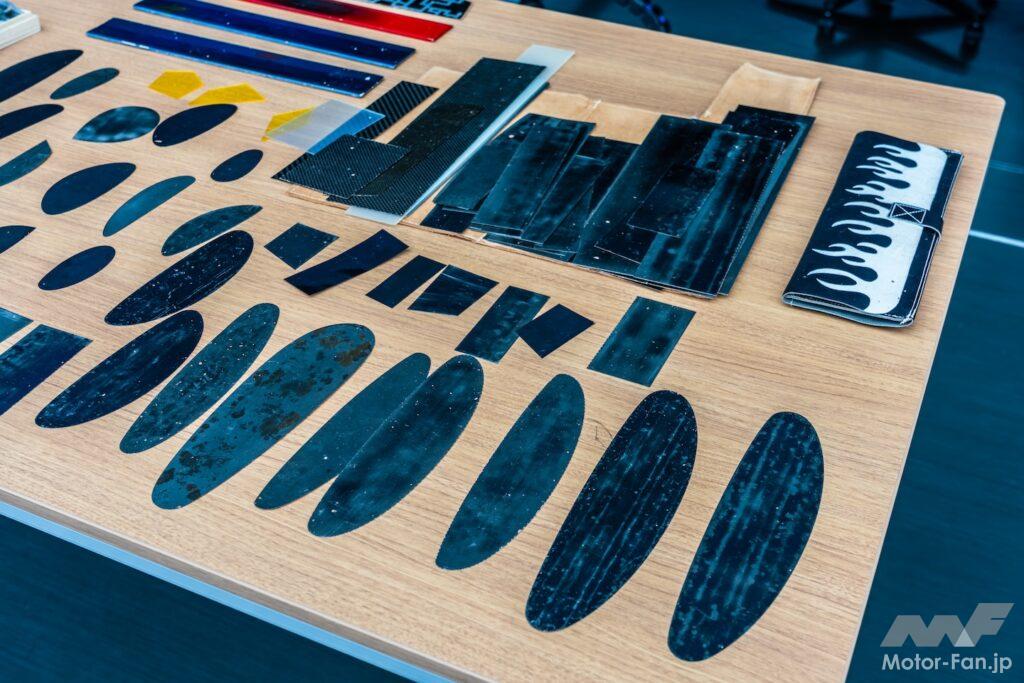
Clay modeling serves as the bridge between a designer’s two-dimensional sketch and a three-dimensional object. Physical modelers interpret the intended form and transform it into reality through their craftsmanship and artistic sensitivity.
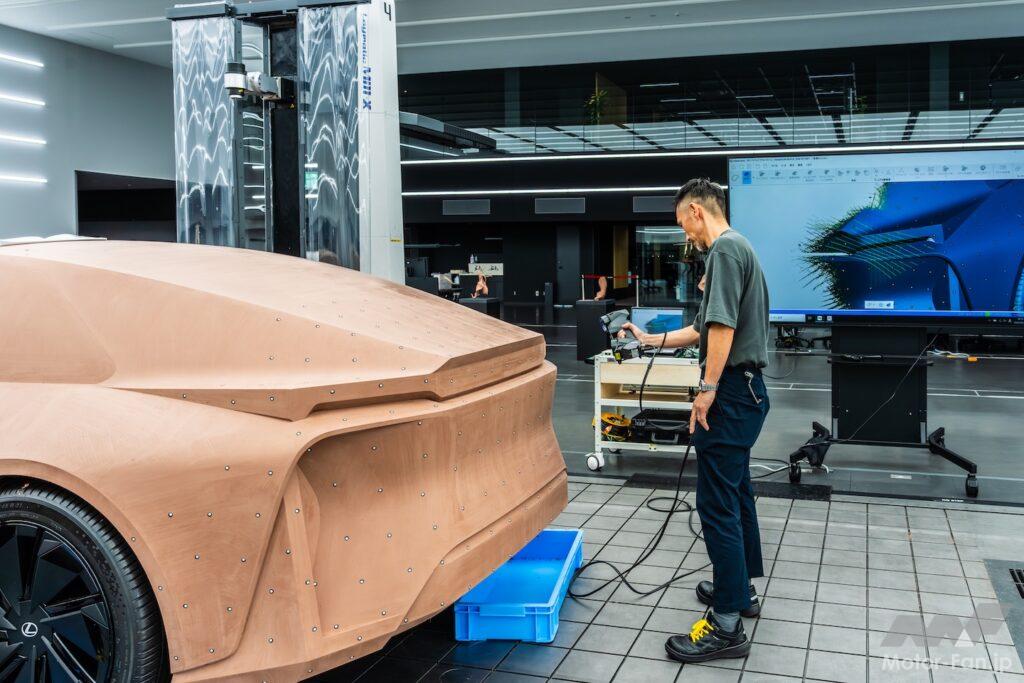
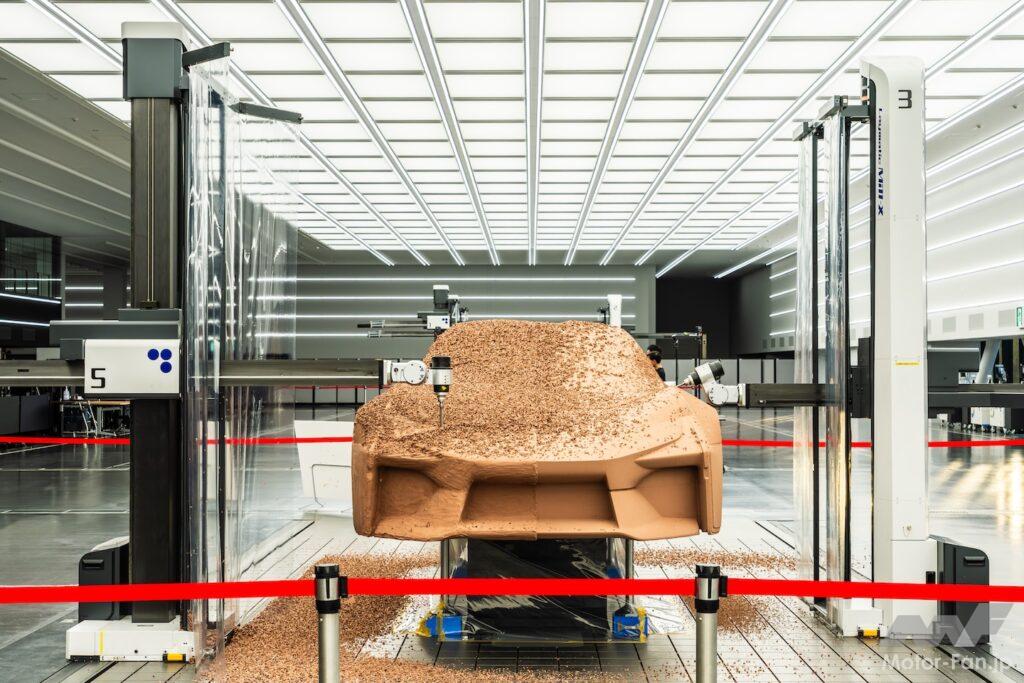
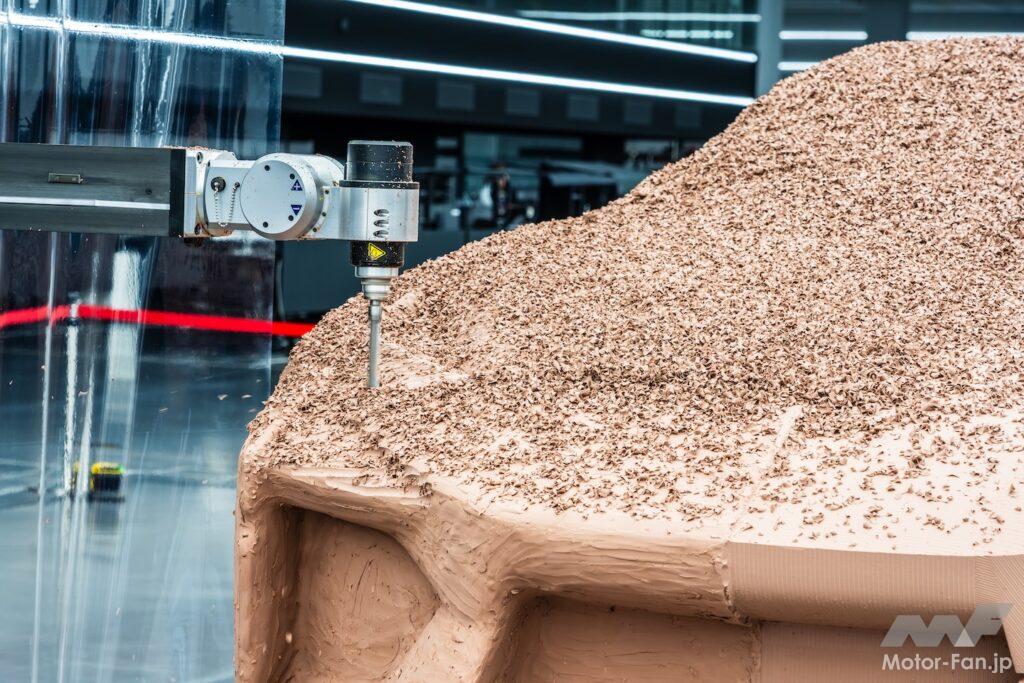
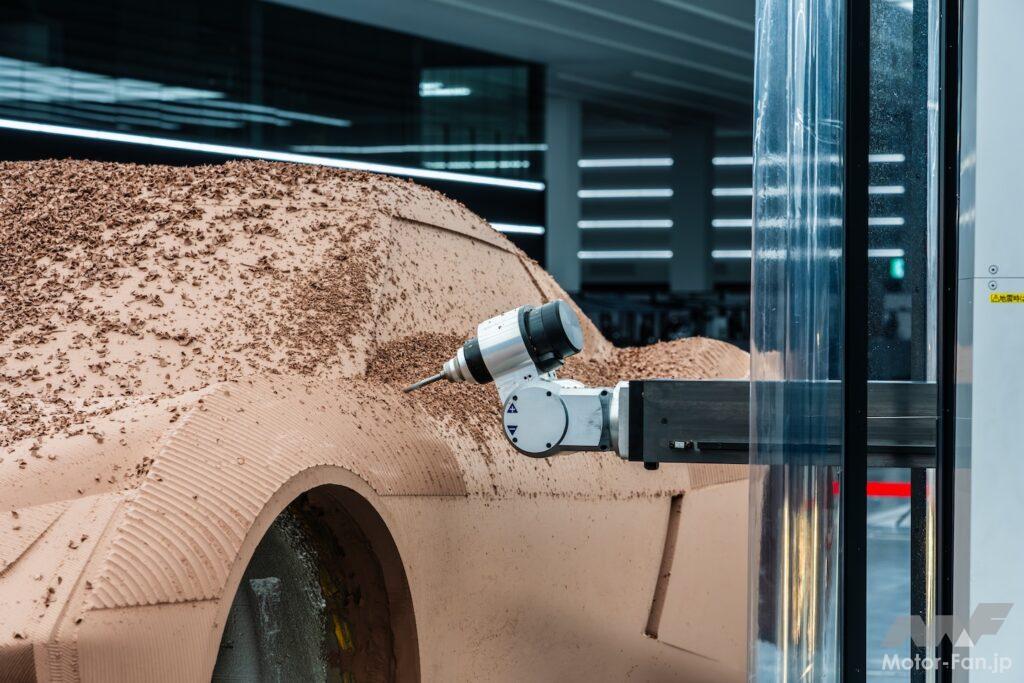
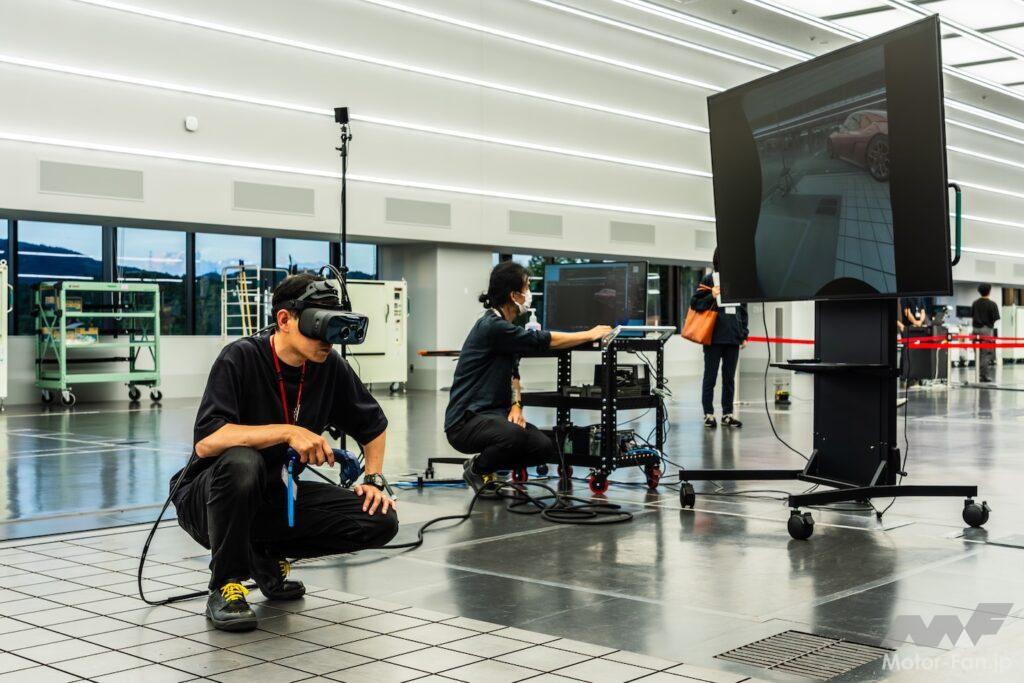
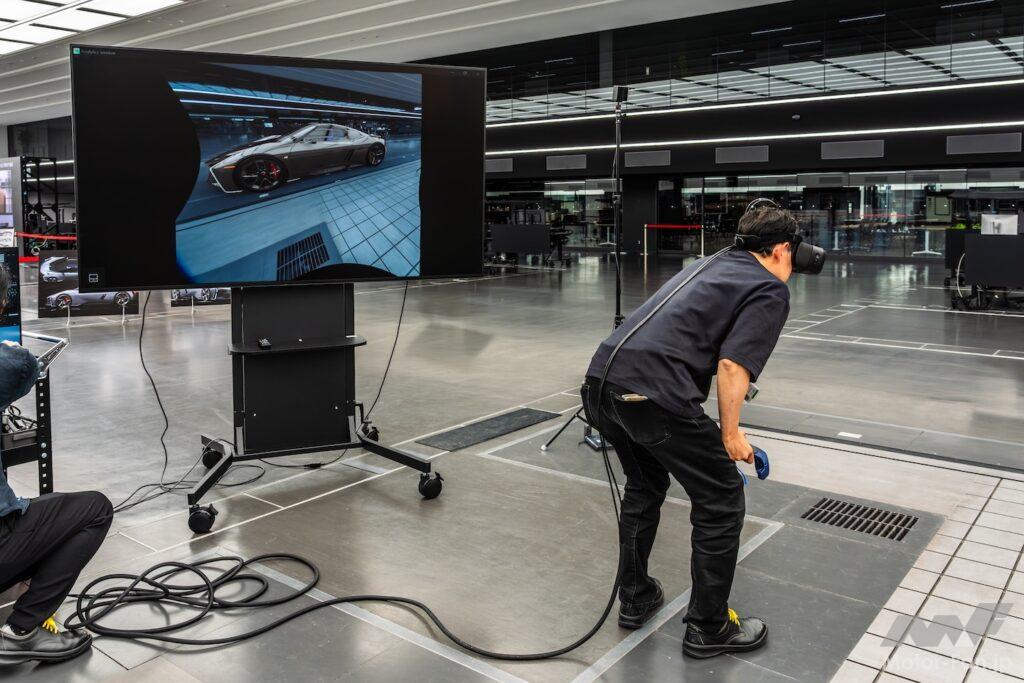
At the same time, TTC-S makes extensive use of advanced digital technologies to improve development efficiency. One example is a transparent mixed reality (MR) device that seamlessly blends digital and physical environments.
Even when no physical object exists in front of the user, the headset overlays full-scale digital vehicle data onto the real world, allowing designers to view the vehicle at actual size within a physical space.
The key advantage of this technology is the ability to evaluate color, shape, and visual presence before creating a painted physical model. Since producing a painted clay model requires considerable time and effort, designers can explore numerous color and specification combinations digitally to identify the most effective appearance.
By reducing the number of physical prototypes required, the technology contributes to shorter development cycles and greater efficiency.
Spatial Design That Enhances the Efficiency of Designers and Modelers
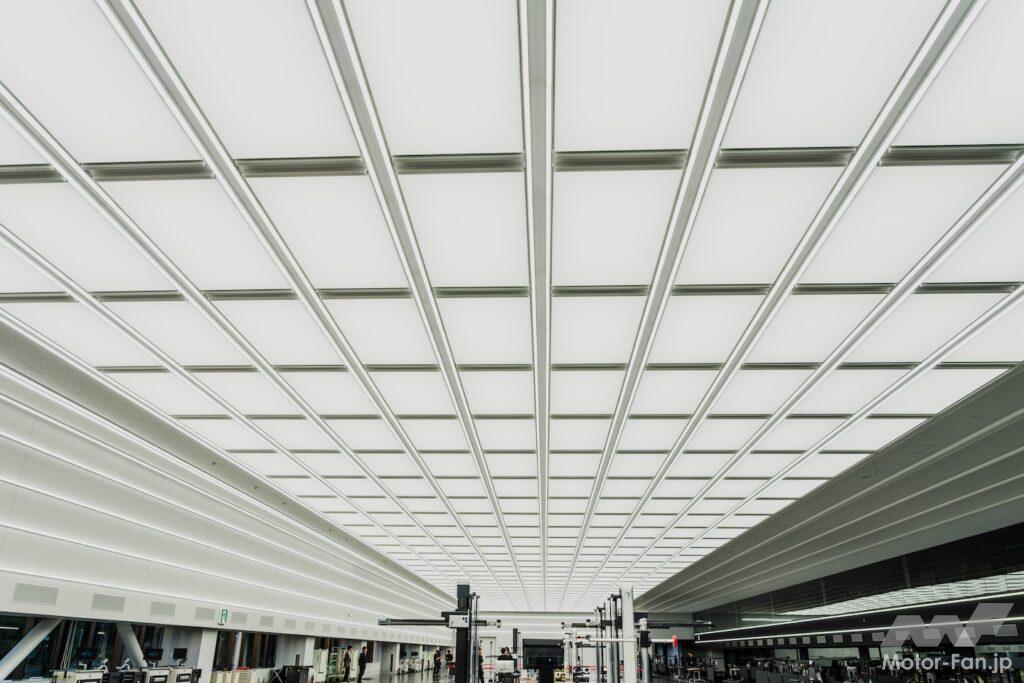
The model rooms are equipped with ceiling lighting capable of both diffuse illumination and line illumination. Diffuse lighting evenly illuminates the entire vehicle, making it effective for evaluating color tones and overall appearance. Line illumination, on the other hand, helps designers assess body contours, surface distortions, and character lines by revealing irregularities in the reflected light across the vehicle’s surface.
At TTC-S, both lighting methods can be used depending on the evaluation objective. Another distinctive feature is that the light lines wrap around the vehicle’s sides, allowing designers to read changes in surface curvature and three-dimensional form through the reflections projected onto the body panels.
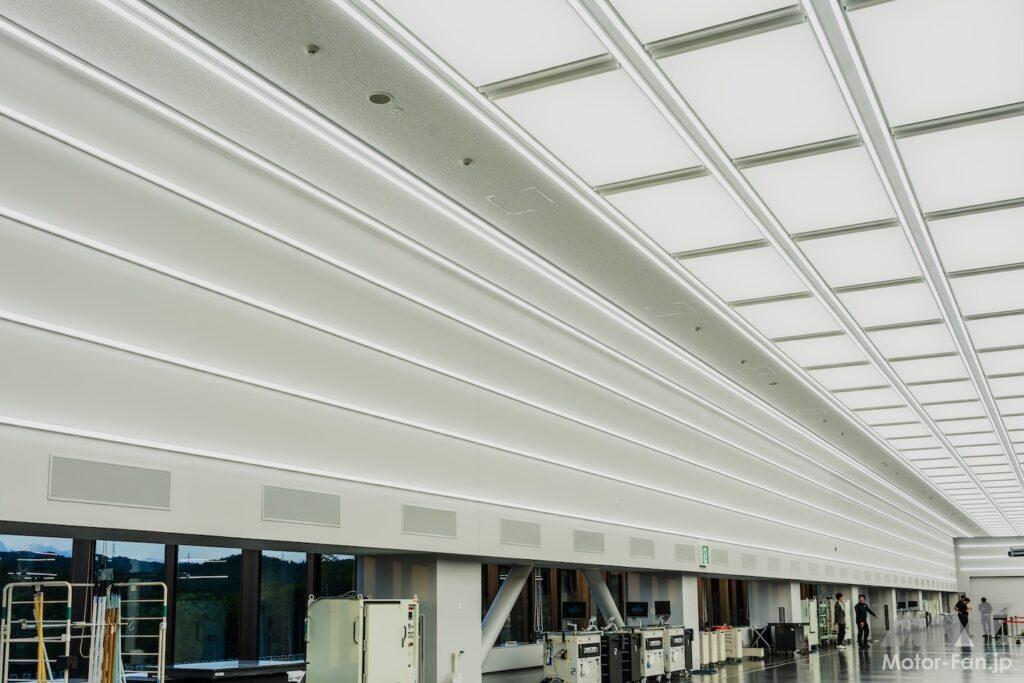
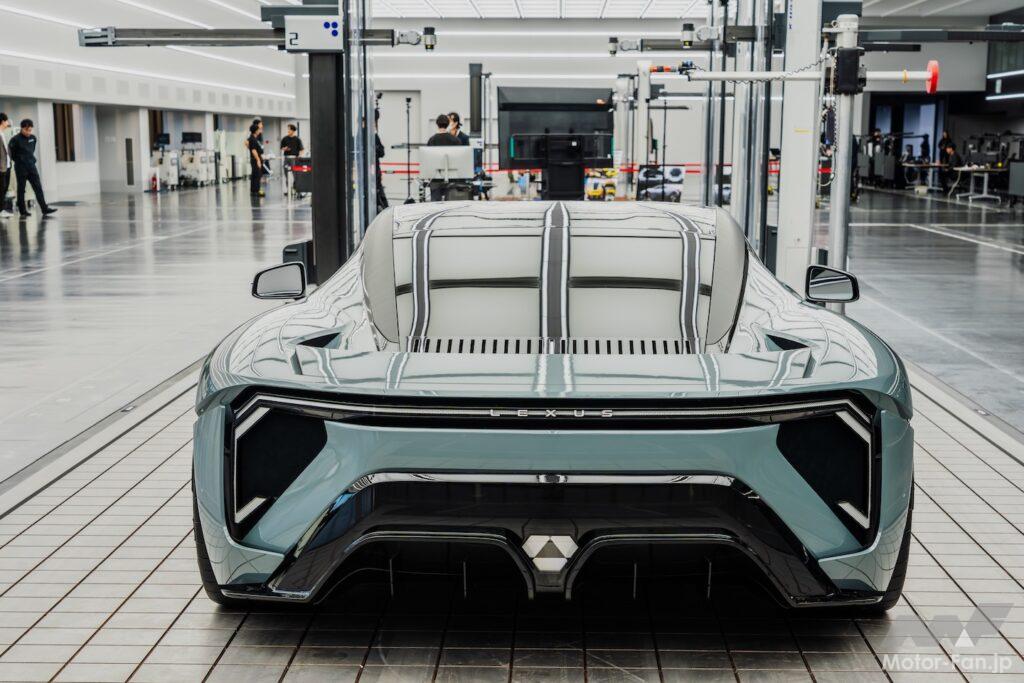
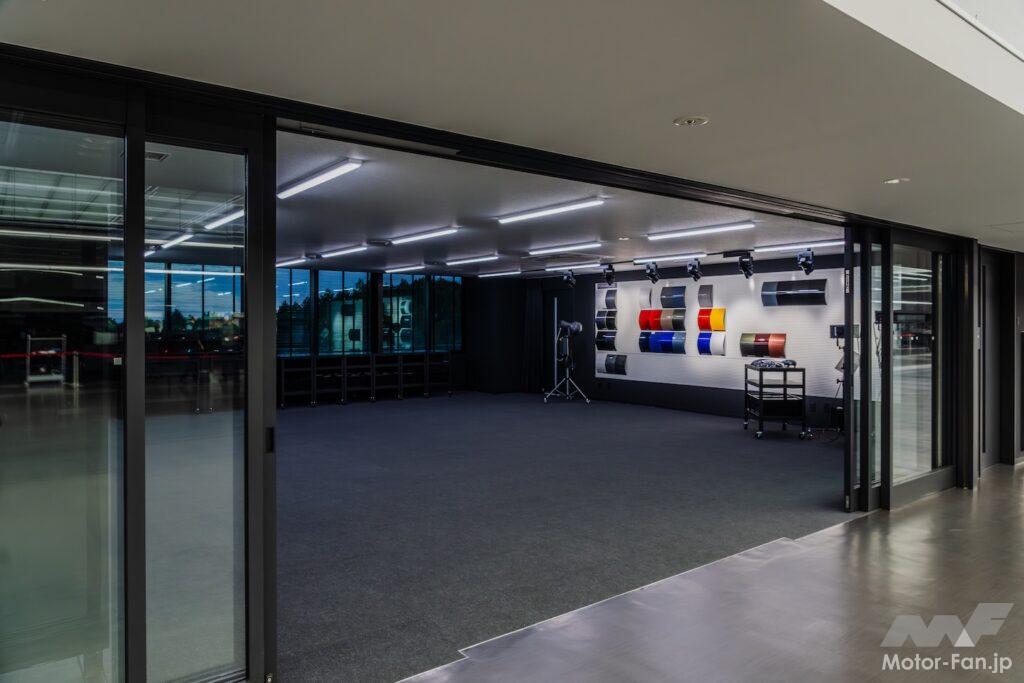
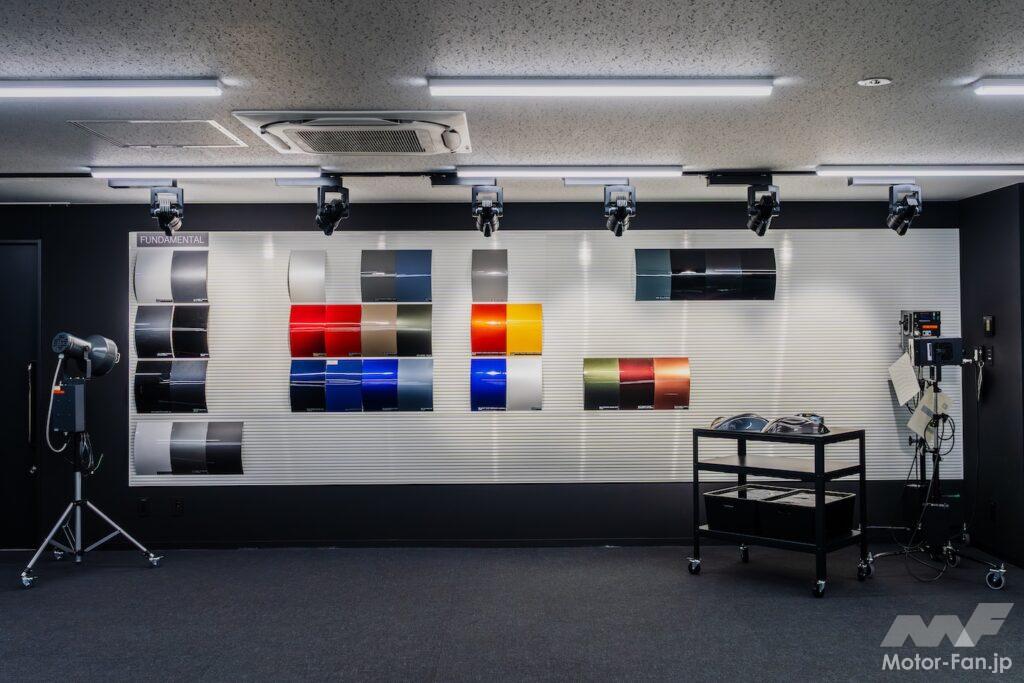
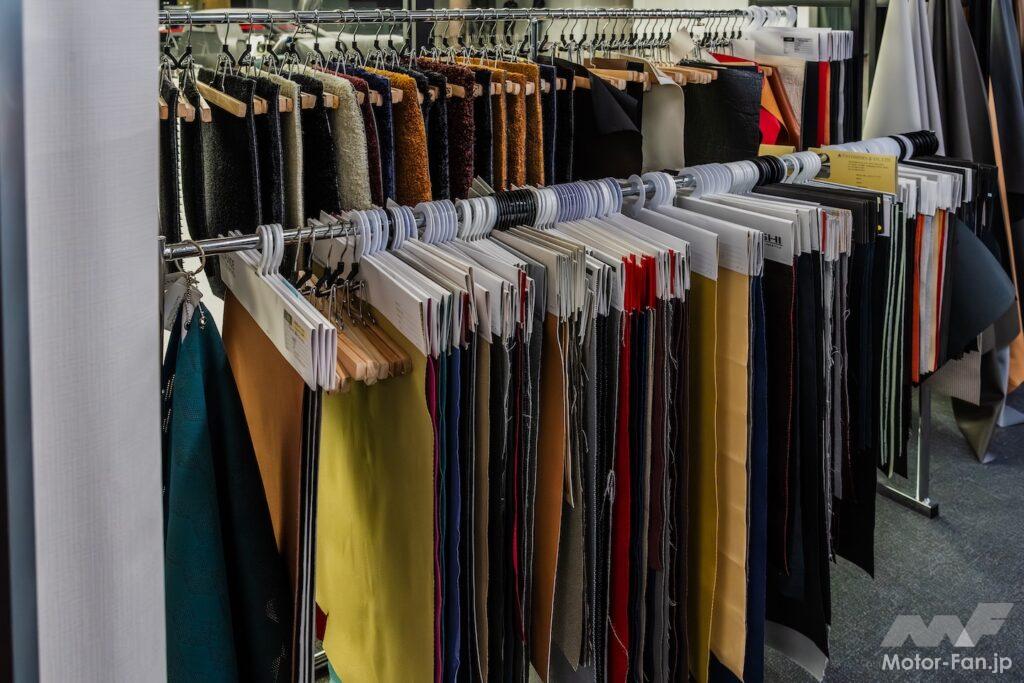
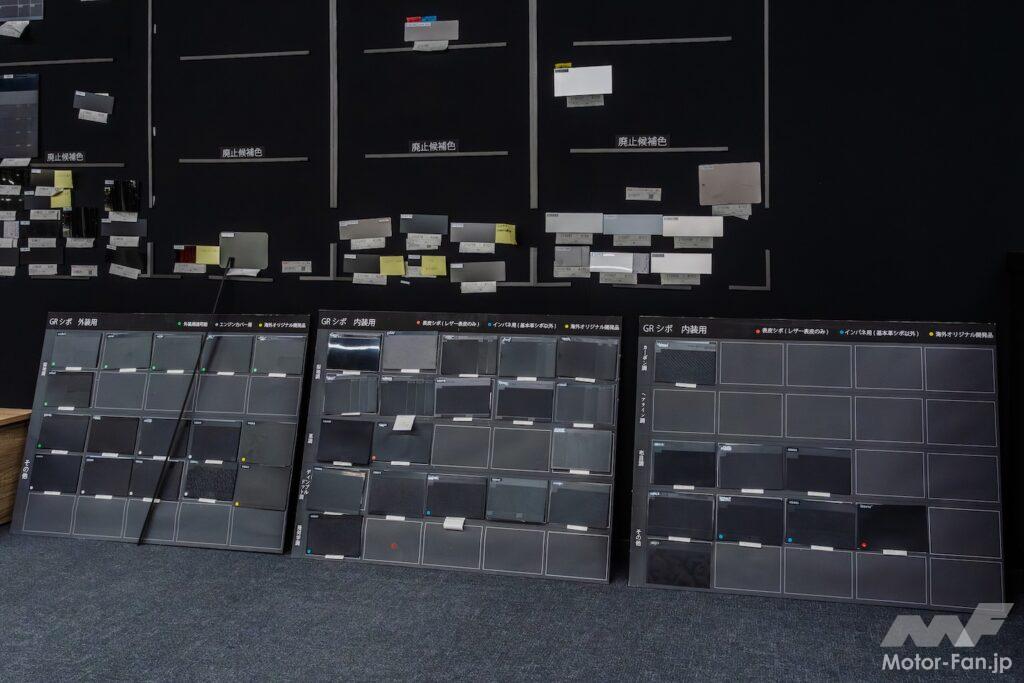
Adjacent to the model rooms are dedicated spaces for the CMF (Color, Material, and Finish) team, as well as work areas where designers and CAD operators can work directly beside the models. This setup allows designers to leave their desks and immediately inspect a model, sketch ideas alongside it, or provide specific instructions as needed. Such proximity improves both design accuracy and development efficiency.
The floor can also be viewed from an upper-level walkway. Looking down from a slightly elevated position makes it easier to understand surface continuity, volume composition, and overall vehicle presence—details that can be difficult to perceive from eye level alone.
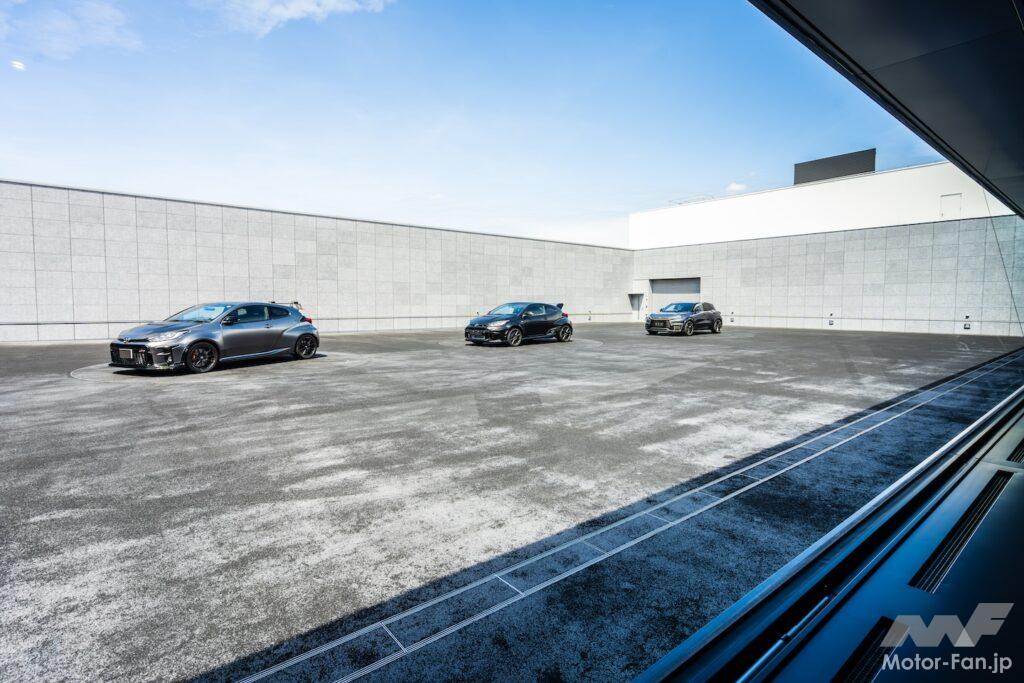
The outdoor evaluation area is equally generous in scale. Access to natural daylight and sufficient viewing distance is a critical aspect of automotive design assessment. Designers can evaluate whether a vehicle remains recognizable as part of the brand from afar, whether it stands apart from competitors, and how its overall stance is perceived. TTC-S provides ideal conditions for such evaluations.
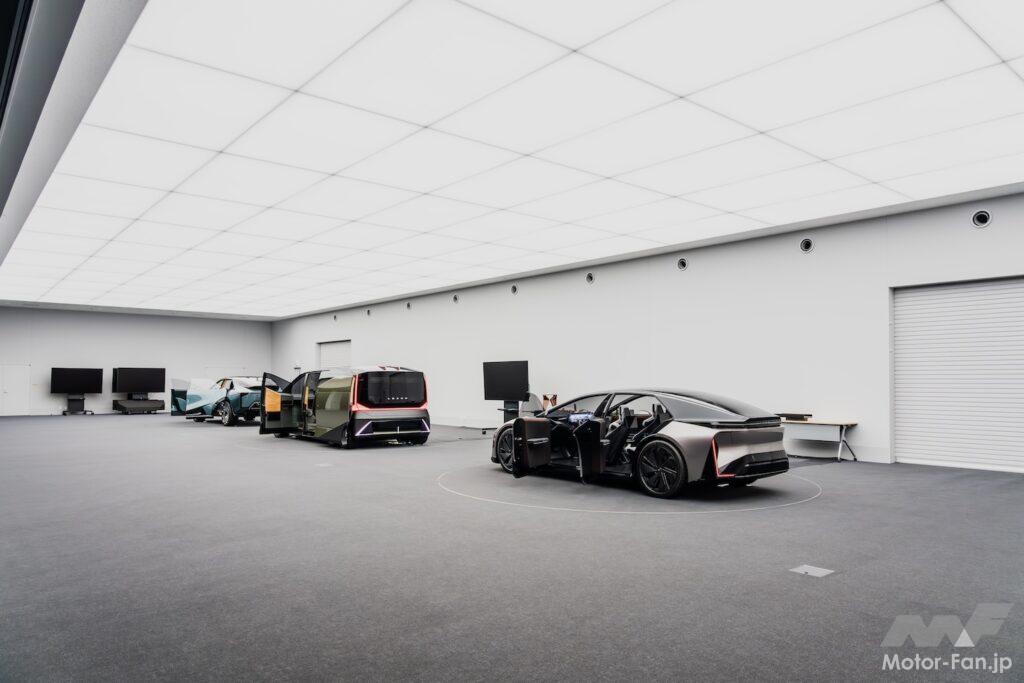


Lexus LS Coupe Concept.

Lexus LS Coupe Concept.

Lexus LS Coupe Concept.

Lexus LS Coupe Concept.

Lexus LS Concept.

Lexus LF-ZC.
TTC-S and Its Commitment to Community Coexistence: Disaster Preparedness Exercises Conducted with Toyota City
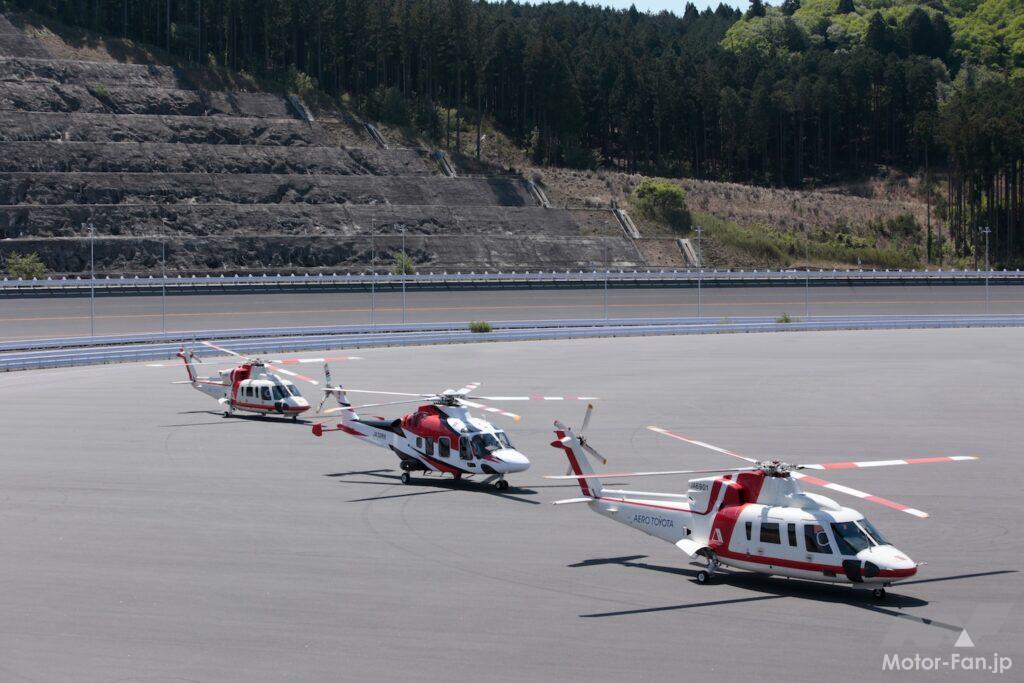
Transportation to TTC-S for this visit was provided by helicopter from Nagoya Airport, operated by Aero Toyota.
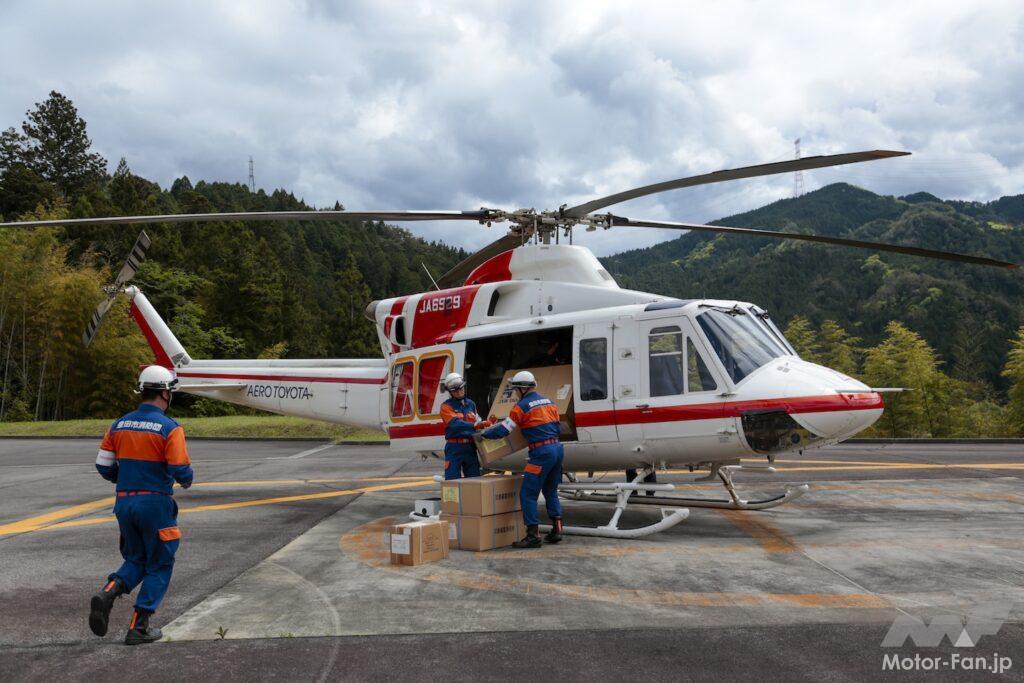
This was not simply a demonstration. The flight formed part of Toyota’s ongoing air-mobility initiatives, and on the same day a disaster-preparedness exercise was conducted in cooperation with Toyota City.
TTC-S is located in an area that faces significant risks from a potential Nankai Trough earthquake as well as increasingly severe flooding and storm-related disasters that could isolate local communities. The exercise was designed to address these regional challenges by evaluating the use of helicopters for emergency supply transport in the event of a disaster.
Future Lexus and GR Models Born from a Human-Centered Development Environment
Only a small portion of TTC-S was opened during this media tour, yet the scale and sophistication of the facility were impressive.
More importantly, however, TTC-S places its emphasis not on the facilities themselves but on the people who use them. During the presentation, the phrase “A Design Workplace Created by People” appeared prominently on the screen.
Ultimately, people remain the most important element of the development process. The true challenge lies in creating an environment that enables designers to fully express their sensitivity and creativity while allowing craftspeople to apply their skills at the highest level. This spirit of people-centered manufacturing is deeply embedded in the foundation of TTC-S.
カーデザインの関連記事


全固体電池搭載のフル電動スポーツ「プジョー RCZ ビジョン」のデザインコンセプトを公開【動画】

メルセデスAMGが初めて一から自社開発したフルサイズ電動SUV「GT SUV」がデビュー


2007年のトヨタ「Hybrid X」は未来のプリウスだった? 15年後の5代目プリウスと比較してわかった意外な共通点

空を飛ぶテスラの新型ロードスター。ライトや空力パーツをボディに溶け込ませたミニマルなエクステリアにも注目

リープモーターがパリで新型コンパクトEV「B03」を欧州初披露。2トーンのボディで軽快さを表現
